
- Bone Health
- Immunology
- Hematology
- Respiratory
- Dermatology
- Diabetes
- Gastroenterology
- Neurology
- Oncology
- Ophthalmology
- Rare Disease
- Rheumatology
Biosimilar Bills Gain Steam in Congress, But Key Reforms Still Wait
Congress fast-tracks biosimilar bills to cut drug and insulin costs, while patent, rebate, and reimbursement roadblocks still stall competition.
In the span of 8 days this July, lawmakers introduced a new biosimilar bill, advanced 2 others out of committee in both chambers, and left a longer list of related proposals unmoved for months.


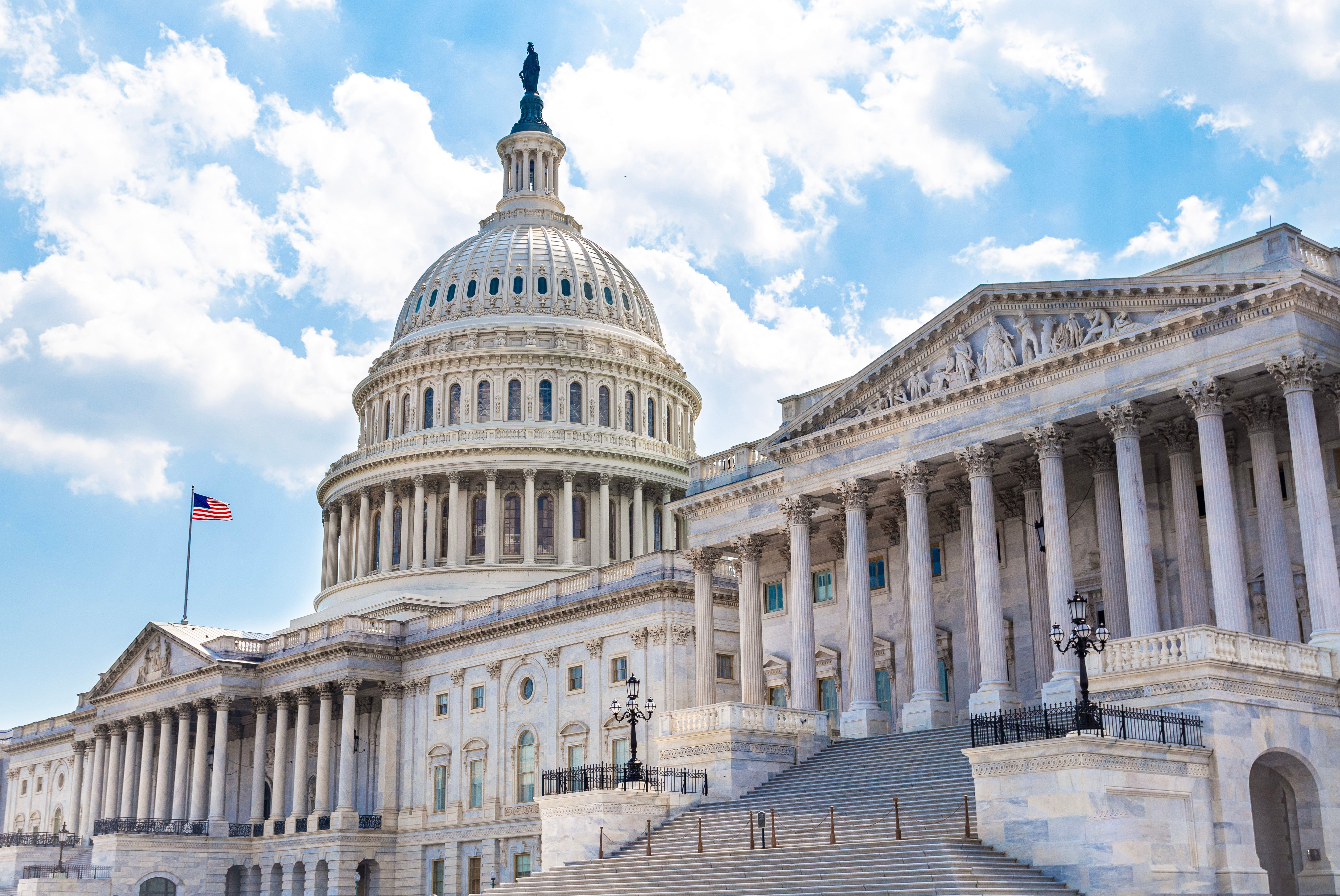
US capitol | Image credit: W.Scott McGill - stock.adobe.com
A Bill Introduced, Marked Up, and Advanced Inside a Week
Representative Nick Langworthy (R, New York) and Representative Kim Schrier, MD (D, Washington), introduced the Expedited Access to Biosimilars Act (HR 9661) on July 15, 2026.1 The measure would codify that comparative clinical efficacy and pharmacodynamic studies are not the default expectation for biosimilar licensure, preserve the FDA's authority to require such studies when scientifically warranted, and require the agency to notify sponsors early if additional studies would be needed. Schrier, a pediatrician who lives with type 1 diabetes, framed the bill around insulin costs, saying she had "seen firsthand how skyrocketing insulin prices have threatened access" to lifesaving medication.
Five days later, the House Committee on Energy and Commerce folded HR 9661 into a 29-bill markup, reporting it unanimously along with the Biosimilar Red Tape Elimination Act (HR 5526).2,3 On July 22, the Senate Committee on Health, Education, Labor, and Pensions (HELP) approved the Senate companion, S 1414, by a vote of 22-0 as amended.4
"Comparative efficacy studies are rarely necessary to demonstrate biosimilarity," said Alex Keeton, executive director of the Biosimilars Council, after the Senate vote.5
Senator Ashley Moody (R, Florida) introduced the newest measure, S 5059, on July 21, a bill to amend the Public Health Service Act to streamline the review of biosimilar biological products.6 It drew 3 cosponsors and was referred to the HELP committee, where it has seen no further action.
The Bills That Have Been Waiting Longer
The Biosimilar Red Tape Elimination Act has been reintroduced across 3 consecutive Congresses. Senator Mike Lee (R, Utah) introduced the current Senate version, S 1954, in June 2025, with Senators Ben Ray Luján (D, New Mexico), Rand Paul (R, Kentucky), and Maggie Hassan (D, New Hampshire). It would deem FDA-licensed biosimilars interchangeable with their reference products, eliminating the switching studies the US uniquely requires. The bill cleared the HELP committee in June 2026.7 The House version, introduced by Representative August Pfluger (R, Texas) and Representative Greg Landsman (D, Ohio) in September 2025, sat in Energy and Commerce for 10 months before this week's markup.8
"Legacy regulations can often outlive their usefulness," said John Murphy III, president and CEO of the Association for Accessible Medicines.5
The STOP GAMES Act (HR 8908), introduced in May 2026 by Representative Eric Sorensen (D, Illinois) and Representative Stephanie Bice (R, Oklahoma), would direct the FDA to weigh specific factors for spotting delay-tactic citizen petitions and refer them to the Federal Trade Commission.9 Earlier versions stalled in 3 Congresses. It appeared on the July markup agenda, though committee records still listed it as referred.
The Biosimilar Inspection Modernization Act (S 3510), introduced in December 2025 by Senators Ted Budd (R, North Carolina) and Hassan, would expand remote regulatory assessments, convene a public meeting on mutual recognition agreements, and require an FDA strategic plan on domestic inspections.10 Julie Reed, executive director of the Biosimilars Forum, said the bill would bring biosimilar reviews "consistency with other drug classes under FDA review."11 It has not moved out of committee.
What Congress Has Not Legislated
Regulatory reform covers only part of the pipeline. Testifying before the House Committee on Ways and Means Subcommittee on Health in April 2025, Aaron S. Kesselheim, MD, JD, MPH, urged lawmakers to advance laws "making it harder for manufacturers to build large thickets of biologic patents," restricting pharmacy benefit manager rebate practices that favor higher-cost originators, and changing CMS rules to permit common billing codes for biologics and biosimilars.12
Craig Burton, then executive director of the Biosimilars Council, told the same panel that inaction carried consequences, calling it "a crisis that will impact real people," and pointed to the roughly 860,000 Medicare beneficiaries with diabetes who could benefit. The HELP committee advanced the INSULIN Act of 2026 by 17-5 that same day, though no pending bill directly ties insulin affordability to biosimilar competition.
Reimbursement design remains unaddressed. Sonia T. Oskouei, PharmD, vice president of biosimilars and specialty at Sandoz, argues that the average sales price model and Medicare Part B incentives undercut long-term investment while maintaining that "the biosimilar void is not permanent."13 A Matrix Global Advisors analysis found that price negotiation under the Inflation Reduction Act may deter biosimilar entry for high-revenue biologics, estimating that delayed competition for one biologic with $3.5 billion in annual sales could forfeit $1.9 billion yearly.14
A Samsung Bioepis white paper has termed this gap the "biosimilar void," noting that only 12 of the 118 biologics projected to lose patent exclusivity between 2025 and 2034 currently have biosimilars in development.15 With several of these measures now moving through both chambers at once, Congress has an opening to close that gap and let biosimilars deliver the savings and access patients have been waiting for.
References
- Congressmembers Langworthy and Schrier introduce a bipartisan bill to lower prescription drug costs by expanding access to biosimilars. News release. Office of Representative Nick Langworthy; July 15, 2026. Accessed July 23, 2026. https://langworthy.house.gov/media/press-releases/expedited-access-to-biosimilars-act
- Chairman Guthrie announces full committee markup of 29 bills. News release. House Committee on Energy and Commerce; July 2026. Accessed July 23, 2026. https://energycommerce.house.gov/news/markups
- AAM and the Biosimilars Council praise House action on biosimilar bills. Chain Drug Review. July 22, 2026. Accessed July 23, 2026. https://chaindrugreview.com/aam-biosimilars-council-praise-house-action-on-biosimilar-bills/
- Chairman Cassidy advances legislation improving families' access to quality, affordable health care. News release. US Senate Committee on Health, Education, Labor and Pensions; July 22, 2026. Accessed July 23, 2026. https://www.help.senate.gov/rep/newsroom/press/chairman-cassidy-advances-legislation-improving-families-access-to-quality-affordable-health-care
- The Biosimilars Council and AAM applaud the Senate markup and committee passage of the Expedited Access to Biosimilars Act. Chain Drug Review. July 23, 2026. Accessed July 23, 2026. https://chaindrugreview.com/the-biosimilars-council-and-aam-applaud-senate-markup-and-committee-passage-of-the-expedited-access-to-biosimilars-act/
- A bill to amend the Public Health Service Act to streamline the review of biosimilar biological products, S 5059, 119th Cong (2026). Accessed July 23, 2026. https://www.congress.gov/bill/119th-congress/senate-bill/5059
- AAM applauds momentum as two bills move through the Senate HELP Committee. News release. Association for Accessible Medicines; June 17, 2026. Accessed July 23, 2026. https://accessiblemeds.org/resources/press-releases/aam-applauds-momentum-two-bills-move-through-senate-help-committee/
- Biosimilar Red Tape Elimination Act, HR 5526, 119th Cong (2025). Accessed July 23, 2026. https://www.congress.gov/bill/119th-congress/house-bill/5526
- STOP GAMES Act of 2026, HR 8908, 119th Cong (2026). Accessed July 23, 2026. https://www.congress.gov/bill/119th-congress/house-bill/8908
- Biosimilar Inspection Modernization Act of 2025, S 3510, 119th Cong (2025). Accessed July 23, 2026. https://www.congress.gov/bill/119th-congress/senate-bill/3510
- Senators Budd and Hassan introduce a bipartisan bill to lower prescription drug prices for American families. News release. Office of Senator Ted Budd; December 17, 2025. Accessed July 23, 2026. https://www.budd.senate.gov/
- Jeremias S. Experts pressure Congress to remove roadblocks for biosimilars. The Center for Biosimilars®️. April 12, 2025. Accessed July 23, 2026. https://www.centerforbiosimilars.com/view/experts-pressure-congress-to-remove-roadblocks-for-biosimilars
- Santoro C. Addressing patent abuse, reimbursement models key to sustainable biosimilar market. The Center for Biosimilars. April 25, 2025. Accessed July 23, 2026. https://www.centerforbiosimilars.com/view/addressing-patent-abuse-reimbursement-models-key-to-sustainable-biosimilar-market
- Jeremias S. Medicare price negotiations will slow biosimilar momentum, widening market gap. The Center for Biosimilars. July 16, 2025. Accessed July 23, 2026. https://www.centerforbiosimilars.com/view/medicare-price-negotiations-will-slow-biosimilar-momentum-widening-market-gap
- Jeremias S. White paper offers tips for sustaining biosimilar progress, avoiding a market void. The Center for Biosimilars. July 15, 2025. Accessed July 23, 2026. https://www.centerforbiosimilars.com/view/white-paper-offers-tips-for-sustaining-biosimilar-progress-avoiding-a-market-void
Newsletter
Where clinical, regulatory, and economic perspectives converge—sign up for Center for Biosimilars® emails to get expert insights on emerging treatment paradigms, biosimilar policy, and real-world outcomes that shape patient care.