- Bone Health
- Immunology
- Hematology
- Respiratory
- Dermatology
- Diabetes
- Gastroenterology
- Neurology
- Oncology
- Ophthalmology
- Rare Disease
- Rheumatology
Biosimilar Uptake in Europe Reached 40.7%, With Wide Country Gaps
Center for Biosimilars
Biosimilar market share averaged 40.7% across 27 European countries by mid-2024, with gain-sharing, switching, and quotas linked to higher uptake.
Biosimilar market share across 27 European countries climbed from 3.6% in 2014 to an average of 40.7% a decade later, according to a study published in The Lancet Regional Health – Europe.1 However, the growth was not consistent across countries. The policies tied to faster uptake were gain-sharing models, prescriber switching policies, and prescribing quotas.


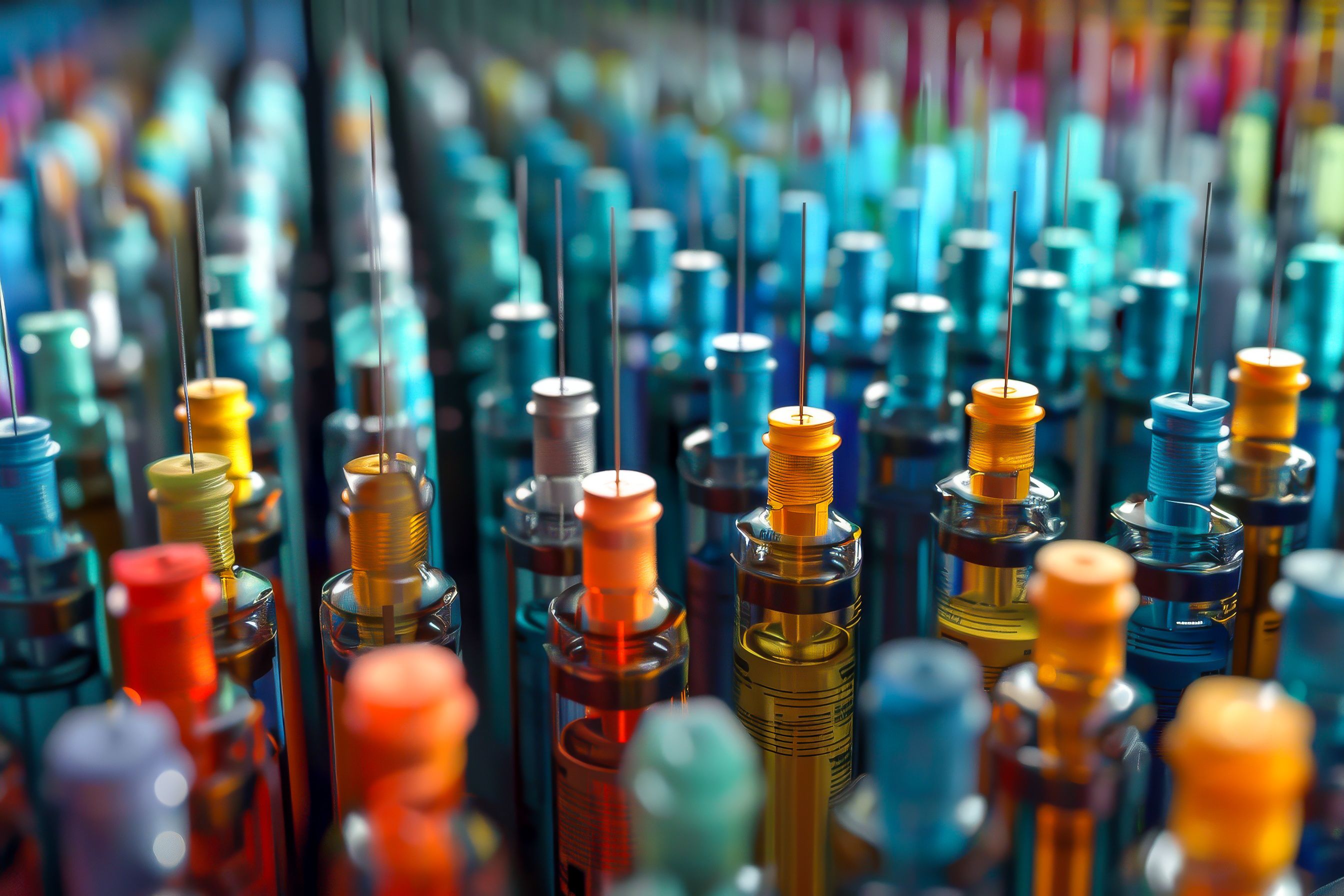
A 27-country European analysis found biosimilar market share averaged 40.7% in 2024, and that gain-sharing, switching, and prescribing-quota policies tracked with the strongest uptake. | Image credit: Napat - stock.adobe.com
Why a Continent-Wide Policy Review Was Needed
Biological medicines carry high price tags that can strain health systems, and while Europe has long led the world in approving and using biosimilars through the European Medicines Agency's centralized process, uptake still varies from shares above 50% in some countries to below 10% in others. Physician hesitancy about switching, patient concerns about safety and efficacy, missing financial incentives, and delayed market entry tied to patent litigation and originator "evergreening" strategies have all been identified as persistent barriers.
Earlier research tended to focus on a single country or a narrow set of biological substances, leaving a gap in evidence linking specific policy choices to the uptake numbers health systems see.
To close that gap, the study paired 2024 IQVIA MIDAS sales data covering 27 European countries, including 24 European Union member states, Norway, Switzerland, and the UK, with supply- and demand-side policy information gathered and validated through the Pharmaceutical Pricing and Reimbursement Information network. Cyprus, Denmark, Iceland, Liechtenstein, and Malta were excluded for lack of sales data. The analysis was supplemented by 4 case studies in 3 countries and a literature review spanning 82 studies on biosimilar policy, 16 of which specifically evaluated policy effectiveness.
Market Shares Rose Sharply, but Unevenly
By the second quarter of 2024, biosimilar market shares exceeded 50% in Norway, Italy, Croatia, the UK, and Finland, while Greece and Luxembourg remained below 10%. Tendering procedures for hospital-administered biosimilars were essentially universal across the countries studied. Beyond tendering, the most frequently implemented supply-side policy was the biosimilar price link, in place in 21 countries, followed by inclusion of biologicals in reference-price systems in 18.
On the demand side, 24 countries encouraged or mandated prescribers to switch patients from originator to biosimilar, 17 allowed prescribing by international nonproprietary name, and 15 applied prescribing quotas. Pharmacy-level substitution, the newest lever, was in place in just 11 countries, including recent adopters Norway (2021), France (2022), and Finland, Germany, and Switzerland (all 2024). Gain-sharing models, which let prescribers or departments share in the savings a switch generates, had been adopted in only 10 countries.
Which Policies Moved the Needle
Gain-sharing models, switching policies, the biosimilar price link, and prescribing quotas were all associated with higher biosimilar market shares, as was tendering in both hospital and outpatient settings. "Since key barriers to biosimilar uptake lie in stakeholder reservations towards biosimilars, including hesitancy of doctors to switch, well-designed demand-side measures may provide leverage," the researchers wrote, adding that combinations of measures, rather than any single lever, may drive larger gains.
The authors cautioned that sales data measured at manufacturer list price may not reflect actual, post-negotiation prices, that 5 countries could not be included for lack of data, and that newer policies such as pharmacy substitution are too recently implemented to fully evaluate. The cross-sectional design also means the findings describe association, not causation, between any single policy and the uptake it appears alongside.
Comparing Europe to the US, the median monthly biosimilar treatment cost in the US was $8987 versus $1351 in Switzerland and $932 in Germany, even as the US biosimilar market share grew faster than Germany's once products had launched, according to a separate analysis of 2011-2020 pricing.2 Read against the new European findings, that gap suggests price competition alone will not close the adoption gap: without the switching mandates, prescribing quotas, and gain-sharing arrangements that European demand-side policy has leaned on, US payers may be leaving savings on the table that lower list prices alone cannot capture.1
References
1. Vogler S, Habimana K, Walter M, Knoll V. Biosimilar uptake policies in Europe: a cross-dcountry mixed-methods policy analysis. Lancet Reg Health Eur. 2026;70:101868. doi: 0.1016/j.lanepe.2026.101868
2. US vs Germany and Switzerland: US biosimilars market lags with higher prices. GaBI Online. Accessed October 20, 2026. https://gabionline.net/biosimilars/research/us-vs-germany-and-switzerland-us-biosimilars-market-lags-with-higher-prices
Newsletter
Where clinical, regulatory, and economic perspectives converge—sign up for Center for Biosimilars® emails to get expert insights on emerging treatment paradigms, biosimilar policy, and real-world outcomes that shape patient care.