- Bone Health
- Immunology
- Hematology
- Respiratory
- Dermatology
- Diabetes
- Gastroenterology
- Neurology
- Oncology
- Ophthalmology
- Rare Disease
- Rheumatology
FDA Accepts Sandoz Generic Tirzepatide Applications Amid Biosimilar Development Gap
Sandoz moves toward US generic tirzepatide autoinjectors as FDA reviews ANDAs, signaling future GLP‑1 access amid patent and biosimilar gaps.
The FDA accepted for review 2 abbreviated new drug applications (ANDAs) from Sandoz for generic versions of tirzepatide, the company announced on June 29, 2026.¹ The applications sought approval for an in-house Sandoz generic version of the tirzepatide autoinjector, a gastric inhibitory polypeptide receptor and glucagon-like peptide-1 (GLP-1) receptor agonist, and both filings, submitted through the FDA generic pathway, addressed all indications of the reference products, Mounjaro and Zepbound.


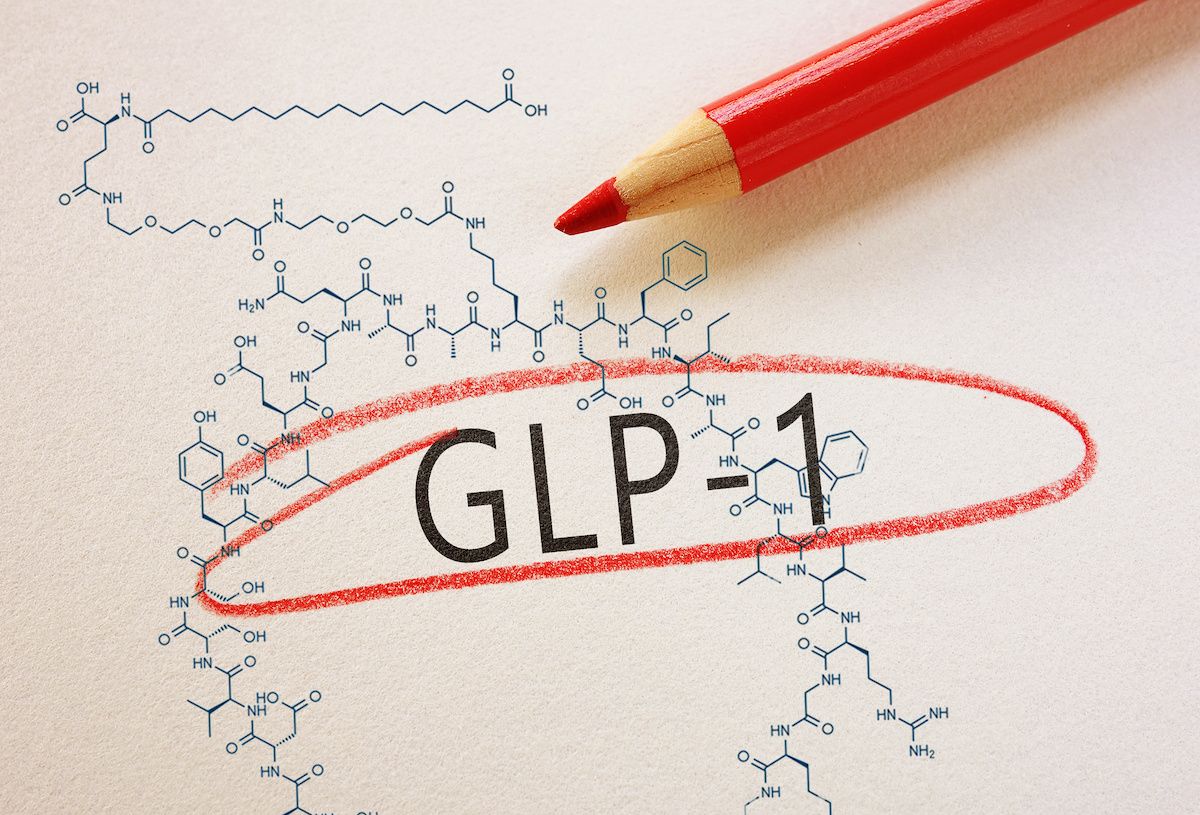
glp-1 | Image credit: zimmytws - stock.adobe.com
For Mounjaro, those indications included use as an adjunct to diet and exercise to improve glycemic control in adults and pediatric patients 10 years and older with type 2 diabetes. For Zepbound, they included use alongside a reduced-calorie diet and increased physical activity to reduce excess body weight and maintain weight reduction in adults with obesity or who are overweight and have at least 1 weight-related condition, as well as treatment of moderate to severe obstructive sleep apnea in adults with obesity.
Sandoz described the submission as in-house development that combined its small molecule and device expertise with techniques drawn from its biosimilar work.¹ The company positioned the program within a broader access strategy, noting that type 2 diabetes remained the costliest chronic condition in the US and that obesity rates had tripled since 1960. Subject to approval, the product could be among the first generic tirzepatide options available to patients in the US once market conditions allowed, and the company framed GLP-1 medicines as a long-term opportunity, citing reference medicines with a combined value of more than $650 billion expected to lose patent protection over the next decade.
Biosimilar Development Gap Shapes Industry Context
Although the tirzepatide filings followed the generic rather than the biosimilar pathway, the announcement arrived as the biosimilar sector continued to confront a widely discussed development gap. Reporting from The Center for Biosimilars®️ has described a "biosimilar void," in which most biologics scheduled to lose exclusivity lacked a biosimilar in development.² Of the roughly 118 biologics expected to lose exclusivity over the coming decade, only about 10% had a biosimilar candidate in the pipeline, a shortfall that left therapeutic areas such as neurology, diabetes, and hematology with restricted competition.
High development cost was identified as a primary driver of that gap.³ Biosimilar development was estimated to range from $100 million to $250 million per product, a figure paired with a low projected return on investment that discouraged work on lower-sales biologics, while additional barriers included regulatory requirements for extensive studies, payer controls, provider preferences, and patent litigation that delayed some launches, as seen in the adalimumab market.
Stakeholders have estimated that the gap could translate into $232 billion in unrealized savings over 10 years if development and adoption trends did not accelerate.⁴ Regulatory changes could alter that calculation, as draft FDA guidance proposing to eliminate comparative efficacy studies for most biosimilar applications was estimated to save manufacturers up to $100 million in development costs per product and to shorten development timelines by as much as half.
Sandoz Biosimilar and Generic Portfolio
Sandoz described itself as a global leader in generic and biosimilar medicines.¹ The company markets one of the larger biosimilar portfolios in the US, anchored by Zarxio (filgrastim-sndz), which became the first biosimilar approved in the country in 2015.² Its more recent biosimilars have included Hyrimoz (adalimumab-adaz), Pyzchiva (ustekinumab-ttwe), Tyruko (natalizumab-sztn), and the denosumab biosimilars Wyost and Jubbonti, which launched in 2025 as the first denosumab biosimilars in the US.⁵ The portfolio spans immunology, oncology supportive care, ophthalmology, and bone health.
The FDA had not confirmed a review timeline, and, subject to approval, the generic could reach patients only after exclusivity and patent barriers were resolved.¹
References
- US FDA accepts Sandoz applications for proposed in-house development of generic tirzepatide GLP-1s. News release. Sandoz; June 29, 2026. Accessed July 13, 2026. https://www.sandoz.com/us-fda-accepts-sandoz-applications-proposed-house-development-generic-tirzepatide-glp-1s
- Jeremias S. The biosimilar void: 90% of biologics coming off patent will lack biosimilars. The Center for Biosimilars®️. February 5, 2025. Accessed July 13, 2026. https://www.centerforbiosimilars.com/view/the-biosimilar-void-90-of-biologics-coming-off-patent-will-lack-biosimilars
- Jeremias S. Top 5 most-read biosimilar news of 2025. The Center for Biosimilars. December 17, 2025. Accessed July 13, 2026. https://www.centerforbiosimilars.com/view/top-5-most-read-biosimilar-news-of-2025
- Jeremias S. Cardinal Health biosimilar report: $56 billion in savings and the road to market sustainability. The Center for Biosimilars. February 24, 2026. Accessed July 13, 2026. https://www.centerforbiosimilars.com/view/cardinal-health-biosimilar-report-56-billion-in-savings-and-the-road-to-market-sustainability
- Jeremias S. Sandoz, STADA, and Samsung Bioepis report strong earnings from biosimilars. The Center for Biosimilars. June 10, 2025. Accessed July 13, 2026. https://www.centerforbiosimilars.com/view/sandoz-stada-and-samsung-bioepis-report-strong-earnings-from-biosimilars
Newsletter
Where clinical, regulatory, and economic perspectives converge—sign up for Center for Biosimilars® emails to get expert insights on emerging treatment paradigms, biosimilar policy, and real-world outcomes that shape patient care.