
- Bone Health
- Immunology
- Hematology
- Respiratory
- Dermatology
- Diabetes
- Gastroenterology
- Neurology
- Oncology
- Ophthalmology
- Rare Disease
- Rheumatology
India's Anti-VEGF Biosimilars Cut Costs, Expand Access
Anti-VEGF biosimilars in India matched reference therapy, lowered costs, and improved treatment access and adherence for retinal diseases.
Biosimilar ranibizumab has delivered visual and anatomical outcomes equivalent to reference anti-vascular endothelial growth factor (anti-VEGF) therapy across a range of retinal diseases in India, with the resulting cost savings measurably improving treatment initiation and adherence, according to a narrative review published in the Indian Journal of Ophthalmology.1

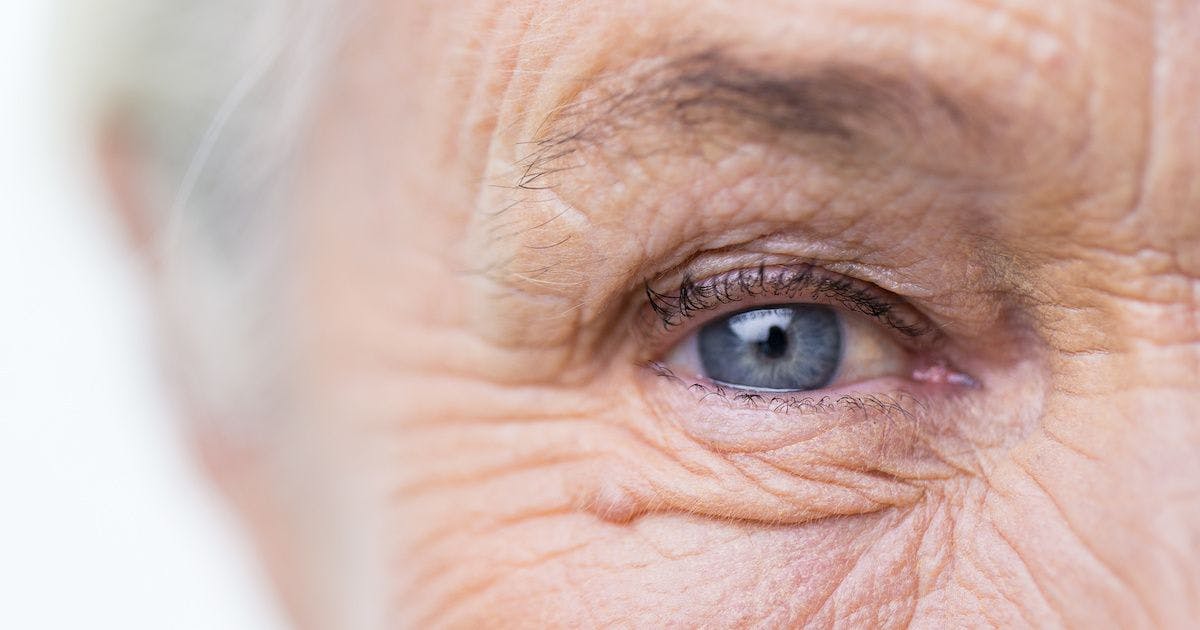
Anti-VEGF biosimilars in India matched reference therapy, lowered costs, and improved treatment access and adherence for retinal diseases. | Image credit: Syda Productions - stock.adobe.com
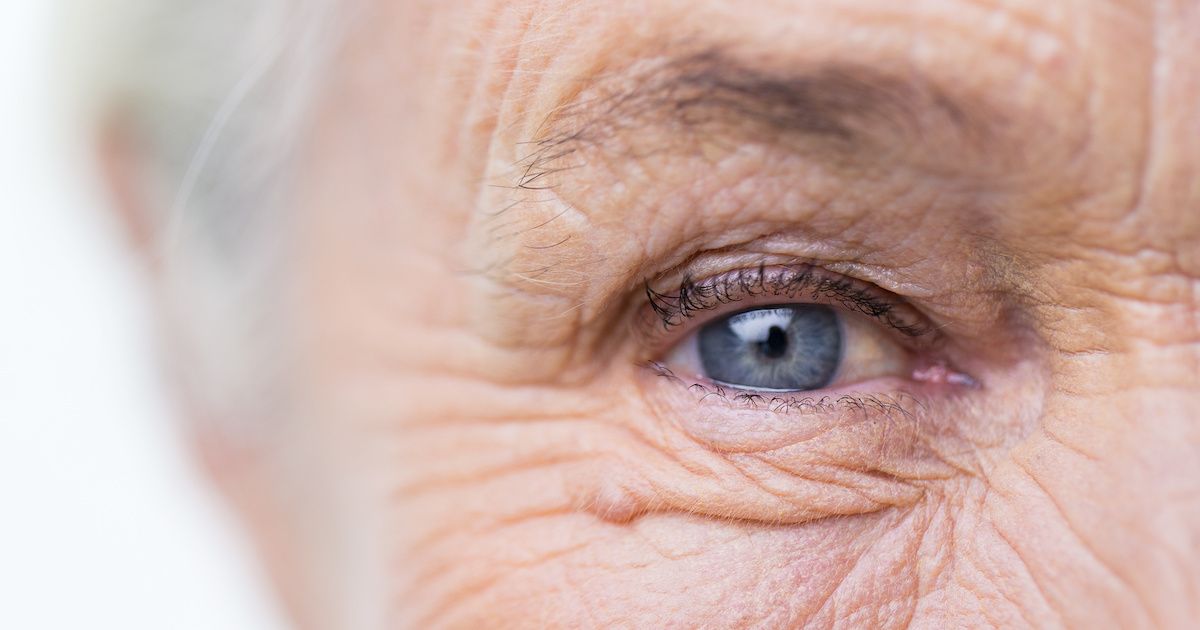
India’s Experience Highlights the Clinical Value of Anti-VEGF Biosimilars
The review synthesized phase 3 trial data, post-marketing surveillance, and large real-world cohorts on biosimilar anti-VEGF agents used to treat neovascular age-related macular degeneration (nAMD), diabetic macular edema (DME), retinal vein occlusion (RVO), myopic choroidal neovascularization, and retinopathy of prematurity. In 2015, India became the first country to approve an intravitreal ranibizumab biosimilar (Razumab; Intas Pharmaceuticals Ltd), years before similar products reached Europe or the US, and it now has one of the most diverse ophthalmic biosimilar markets in the world, with 5 ranibizumab biosimilars and 1 aflibercept biosimilar approved.
Across equivalence trials, ranibizumab biosimilars produced visual acuity gains of roughly 6 to 8 ETDRS letters in nAMD and about 8 letters in DME, alongside meaningful reductions in central retinal thickness within the first 3 to 6 months, findings that consistently met predefined equivalence margins against the reference molecule. Real-world Indian cohorts reinforced these results in RVO and myopic choroidal neovascularization, with functional and anatomical benefits sustained through follow-up periods of up to 48 weeks. Evidence, however, remains limited for polypoidal choroidal vasculopathy; the review authors called for dedicated prospective studies in that subgroup.
Large multicenter Indian datasets, including a comparative safety study of nearly 40,000 eyes, found that adverse events with biosimilar ranibizumab were predominantly mild and that serious ocular complications, including endophthalmitis, remained rare and comparable with established anti-VEGF safety benchmarks. In addition, anti-drug antibody rates stayed low and balanced between biosimilar and reference groups, with an early batch-specific cluster of sterile inflammation identified shortly after Razumab's 2015 launch being resolved through manufacturing and pharmacovigilance improvements.
Regarding cost, more than half of health care spending in India is out-of-pocket. Before biosimilars were widely available, many patients received far fewer anti-VEGF injections than those administered in controlled trials, a shortfall tied to worse long-term visual outcomes. With biosimilar adoption, multiple Indian centers reported improved adherence to loading and maintenance regimens and reduced treatment drop-out, effects the authors attributed to reduced per-injection cost enabling more continuous therapy, particularly for the prolonged, repeated dosing that nAMD and DME require.
Lessons From India for the US Anti-VEGF Biosimilar Market
The Indian experience offers a preview of dynamics now unfolding in the US, where the ophthalmology biosimilar market remains newer and considerably smaller. The FDA approved its first ophthalmology biosimilar, ranibizumab (Byooviz; Samsung Bioepis/Harrow), in September 2021, followed by another for the same drug (Cimerli; Sandoz) in 20222; both have since gained interchangeability status. A 2024 market analysis from Samsung Bioepis found that ranibizumab biosimilars had reached a 56% market share in the US at an average sales price of $891.3
Even so, many US retinal physicians remain unfamiliar with anti-VEGF biosimilars, with survey data showing a little more than a third reporting a complete understanding of them, a gap that could slow the kind of adoption curve seen in India.4 Regulatory and manufacturing hurdles have also persisted, as the presence of low-cost, off-label bevacizumab and the complexity of demonstrating ophthalmic biosimilarity have made market entry difficult even as additional ranibizumab biosimilars and the first wave of aflibercept biosimilars have entered the market.5
Evidence Gaps Point to Future Research Needs
The current review’s authors also acknowledged their limitations, including the predominance of observational designs for non-nAMD indications and limited long-term treat-and-extend data.1 Another was the underrepresentation of myopic choroidal neovascularization, polypoidal choroidal vasculopathy, and ROP outcomes. Because of this, they suggested areas for further research.
“This review demonstrates that biosimilar anti-VEGFs offer a comparable efficacy and safety profile to innovator biologics in the management of chorioretinal vascular diseases,” the authors concluded. “The affordability of biosimilar anti-VEGF enhances its potential as an alternative, particularly in resource-limited settings, without compromising safety.”
References
- Chakraborty D, Sinha TK, Boral S, Das A. Biosimilar anti-vascular endothelial growth factor agents: clinical outcomes, safety, and cost-effectiveness in India. Indian J Ophthalmol. 2026;74(5):760-766. doi:10.4103/IJO.IJO_3222_25
- Joszt L. Byooviz gains interchangeability status. AJMC®. October 24, 2023. Accessed July 30, 2026. https://www.ajmc.com/view/byooviz-gains-interchangeability-status
- Santoro C. Samsung Bioepis reports 2024 biosimilar market growth trends. AJMC. October 15, 2024. Accessed July 30, 2026. https://www.ajmc.com/view/samsung-bioepis-reports-2024-biosimilar-market-growth-trends
- Joszt L. Retinal physicians report reservations around ophthalmology biosimilars. AJMC. February 20, 2023. Accessed July 30, 2026. https://www.ajmc.com/view/retinal-physicians-report-reservations-around-ophthalmology-biosimilars
- Shaw ML. Getting ophthalmic biosimilars to market continues to prove difficult. AJMC. March 25, 2023. Accessed July 30, 2026. https://www.ajmc.com/view/getting-ophthalmic-biosimilars-to-market-continues-to-prove-difficult
Newsletter
Where clinical, regulatory, and economic perspectives converge—sign up for Center for Biosimilars® emails to get expert insights on emerging treatment paradigms, biosimilar policy, and real-world outcomes that shape patient care.