- Bone Health
- Immunology
- Hematology
- Respiratory
- Dermatology
- Diabetes
- Gastroenterology
- Neurology
- Oncology
- Ophthalmology
- Rare Disease
- Rheumatology
Irish Oncology Drug Costs Rose Over 3100% as Biosimilar Uptake Lagged
A commentary on Irish oncology spending finds hospital drug costs rose more than 3100% in under a decade, while biosimilar uptake remained low.
Cancer drug spending at Irish hospitals climbed more than 3100% between 2013 and 2022, and the biosimilars meant to blunt that growth remain stuck on the sidelines, varying widely from one hospital to the next, according to a commentary published in International Journal of Clinical Pharmacy.1


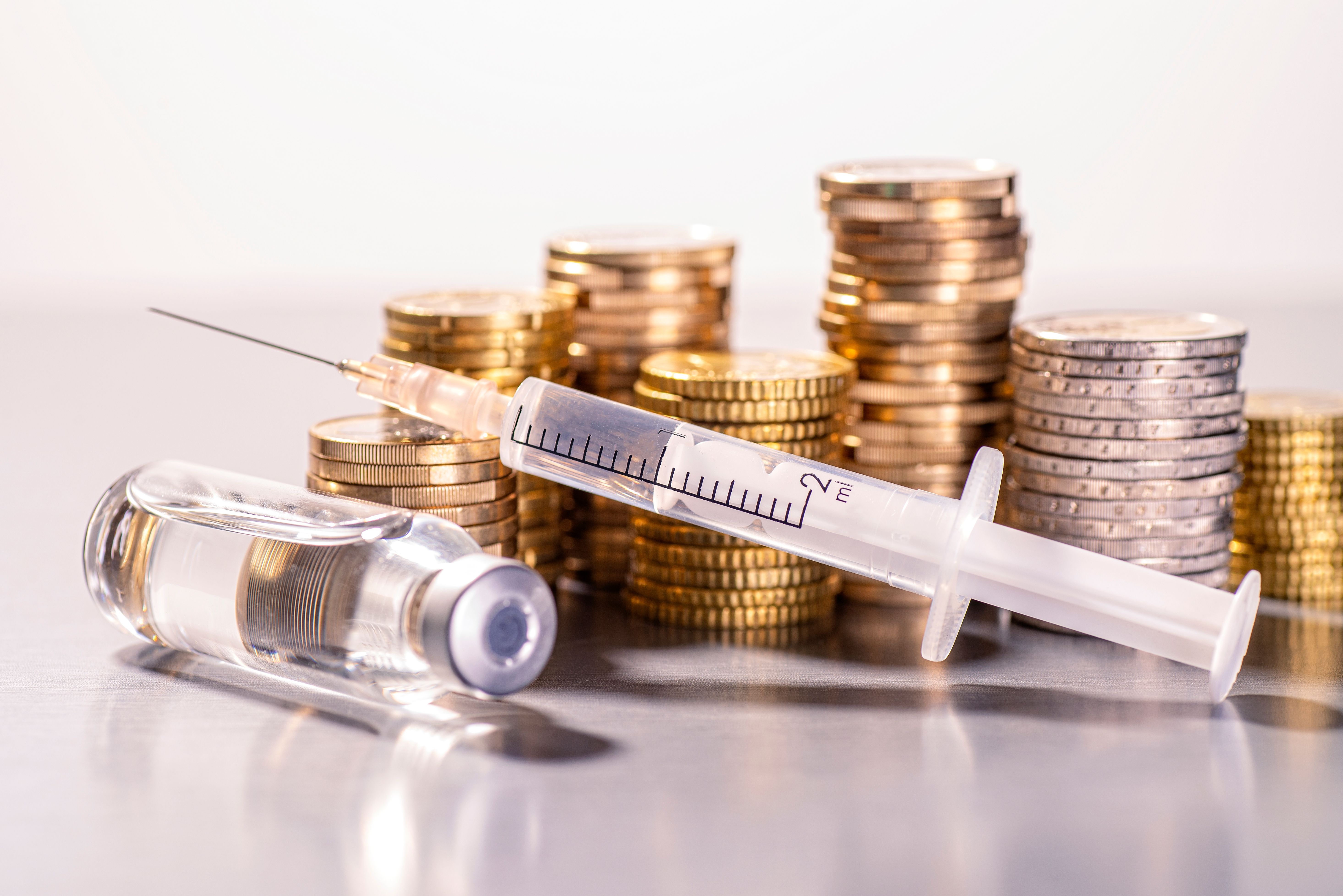
A commentary on Irish oncology spending finds hospital cancer drug costs rose more than 3,100% in under a decade, while biosimilar uptake remained low and uneven across hospitals. | Image credit: gopixa - stock.adobe.com
A Widening Gap Between Biologic Costs and Budgets
Biologic drugs marked a paradigm shift in treating cancer and other life-limiting diseases, but they carry a financial burden that is becoming harder to absorb as cancer cases are projected to rise by nearly 60% globally over the next decade. Global spending on cancer drugs is expected to climb from $223 billion in 2023 to $409 billion in 2028, a jump driven largely by the continued authorization of new biologic therapies.
Ireland offers a stark example of that burden. The cost of cancer drugs in its hospitals rose from €4.7 million in 2013 to €151 million in 2022, an increase exceeding 3100%. The country's Health Service Executive has reported low overall biosimilar uptake, with usage varying widely between hospitals, even though biosimilars have demonstrated comparable quality, safety, and efficacy to their reference biologics in oncology.
Why Biosimilars Have Not Closed the Gap
The commentary identifies resistance to substitution at the community pharmacy level as one persistent barrier, alongside a structural one: originator manufacturers have introduced subcutaneous formulations of existing biologics that extend patent protection and sidestep the biosimilar competition those products would otherwise face.
"There remains significant potential to improve biosimilar adoption rates in Ireland, which would allow both increased patient access and treatment equity," the authors wrote.
Ireland's Health (Pricing and Supply of Medical Goods) Act 2013 compounds that resistance: it does not classify biosimilars as interchangeable medicines, so pharmacists cannot substitute a biosimilar for a prescribed originator unless the prescription itself allows it, leaving every switch decision with the prescriber. The subcutaneous reformulations driving that resistance carry a real price gap, too. Subcutaneous reference trastuzumab (Herceptin; Genentech) runs about €1,200 per course in Ireland compared with roughly €400 for the intravenous biosimilar.
Even with uptake lagging, biosimilars still generated more than €80 million in annual savings for the Irish health system in the latest reporting period, despite accounting for only 52% to 54% of the oncology biologics market, well below the more than 90% biosimilar penetration reported in Austria, the Netherlands, and Norway. The Health Service Executive's Medicines Management Programme, which issues prescriber guidance on biosimilar switching, reported €22.7 million in savings in its first year alone, suggesting the ceiling on additional savings from closing that uptake gap is substantial.
As a commentary rather than a primary data analysis, the piece draws its utilization figures from Ireland's Health Service Executive reporting rather than new original research, and it does not break out how much of the 3,100% cost increase reflects higher per-patient prices versus more patients receiving longer courses of treatment.
A separate IQVIA analysis projected global oncology drug spending to rise 95%, from $193 billion in 2022 to $377 billion in 2027, driven in part by roughly 100 new cancer drugs reaching the market, and cautioned that biosimilars would have only a limited effect on that overall trajectory.2 Biosimilars of 3 reference oncology biologics from Genentech—bevacizumab (Avastin), trastuzumab (Herceptin), and rituximab (Rituxan)—have moderated cancer drug spending somewhat in recent years, but biosimilar competition for newer, high-cost originators is not expected for several more years.
With few new biosimilar entrants on the near-term horizon, raising uptake of the oncology biosimilars already approved may be the most realistic lever health systems have for narrowing the gap between biologic costs and treatment budgets.1
References
1. Burton E, Coakley KE, Gaynor S, McDonagh M, Palmer C, Sahm LJ, O'Reilly S. Biosimilar use in medical oncology in Ireland: a missed opportunity to mitigate financial toxicity? Int J Clin Pharm. 2026;48(5):2179-2186. doi:10.1007/s11096-026-02192-2
2. Wehrwein P. Global cancer drug spend to nearly double in the next five years: IQVIA global drug spend report. Managed Healthcare Executive®. Accessed October 2026. https://www.managedhealthcareexecutive.com/view/global-cancer-drug-spend-to-nearly-double-in-the-next-five-years-iqvia-global-drug-spend-report
Newsletter
Where clinical, regulatory, and economic perspectives converge—sign up for Center for Biosimilars® emails to get expert insights on emerging treatment paradigms, biosimilar policy, and real-world outcomes that shape patient care.