- Bone Health
- Immunology
- Hematology
- Respiratory
- Dermatology
- Diabetes
- Gastroenterology
- Neurology
- Oncology
- Ophthalmology
- Rare Disease
- Rheumatology
Rituximab Biosimilars Show Comparable 6-Month Outcomes in AAV
Rituximab biosimilars showed no significant 6-month differences vs the originator in antineutrophil cytoplasmic antibody–associated vasculitis (AAV).
A 6-month, real-world comparison of rituximab biosimilars vs the originator biologic in antineutrophil cytoplasmic antibody–associated vasculitis (AAV) found no significant differences in remission rates, relapse rates, or serious adverse events, supporting continued use of biosimilars as mandates expand across this rare disease space.1


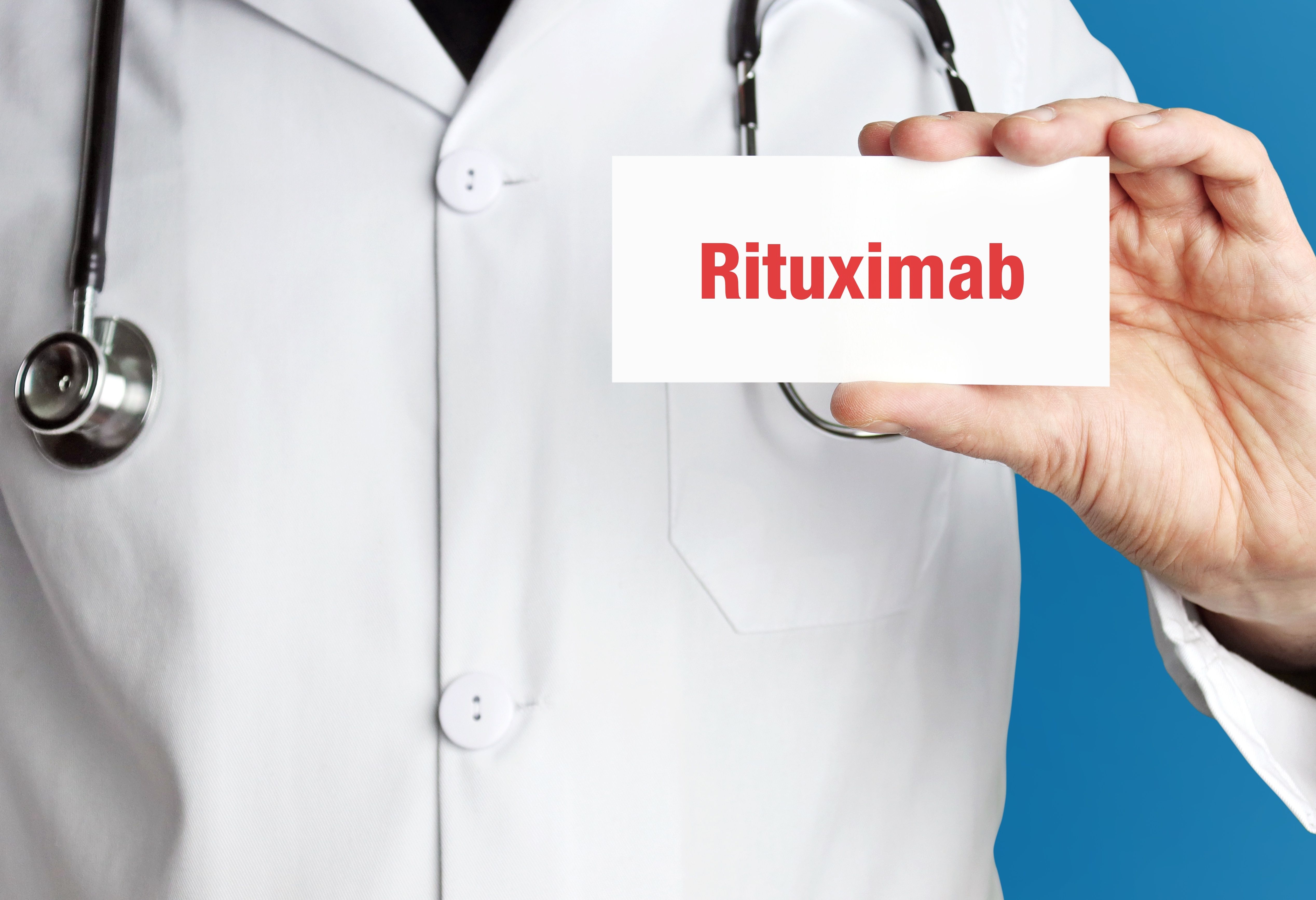
Real-world data found no significant differences in 6-month outcomes between rituximab biosimilars and the originator in AAV. | Image Credit: MQ-Illustrations - stock.adobe.com
Real-World Evidence to Fill AAV Data Gap
Rituximab is the only FDA- and Health Canada–approved biologic for severe AAV, and Health Canada, like the FDA, does not require biosimilar manufacturers to demonstrate clinical equivalence across every approved indication before approval, only comparable structure and function to the reference product. That gap, often referred to as indication extrapolation, has fueled clinician hesitancy about nonmedical switching, a pattern previously documented among rheumatologists prescribing biosimilars for inflammatory arthritis.2 Because AAV has distinct disease mechanisms and adverse event patterns compared with the rheumatoid arthritis and lymphoma populations in which most rituximab biosimilar trials were conducted, the current study authors argued that dedicated AAV-specific data were needed.1
Because no randomized trials of rituximab biosimilars have been conducted in patients with AAV, the investigators noted that real-world evidence is likely to remain the primary basis for comparative decision-making in this population. Consequently, they conducted a multicenter cohort study published in ACR Open Rheumatology that drew on data from 207 adults with granulomatosis with polyangiitis (GPA) or microscopic polyangiitis (MPA) across 9 Canadian centers.
Similar 6-Month Remission Rates Seen With Biosimilar Rituximab
Among the 132 participants starting rituximab induction, 96% of originator recipients and 90% of biosimilar recipients achieved remission at 6 months (difference, 6%; 95% CI, −4% to 15%), a gap that was not statistically significant. An exploratory analysis at 3 months, however, showed a wider and statistically significant gap: 94% of originator recipients were in remission compared with 79% of biosimilar recipients (difference, 15%; 95% CI, 2%-26%). After adjusting for an age imbalance between groups, biosimilar recipients had lower odds of 3-month remission, though this difference did not persist at 6 months in either the primary or sensitivity analyses.
The most commonly used biosimilar was rituximab-pvvr (89%), followed by CT-P10 (rituximab-abbs) and GP2013. Notably, patients starting biosimilar induction received payer authorization faster, with a median wait of 3 days compared with 12 days for the originator. This pattern echoes broader findings that biosimilar adoption is accelerating, with electronic medical record defaults and formulary preferences shifting prescribing behavior.3
Biosimilar Switching Maintained Remission Without New Safety Signals
The maintenance and switch subgroups showed no early warning signs.1 All participants who started rituximab maintenance therapy, whether on originator or biosimilar, were in remission at 6 months. Similarly, all 16 participants who underwent an originator-to-biosimilar switch, 94% of them for payer-mandated reasons, remained in remission with no relapses at a mean follow-up of about 6 months. Similar results were observed with biosimilar switching in other rheumatologic conditions, as studies of infliximab and adalimumab biosimilar switches found it to be generally well tolerated, with treatment effectiveness maintained.4
Safety outcomes were also comparable.1 Serious adverse events (SAEs) occurred in 6% to 19% of subgroups, with no significant differences in SAE or serious infection rates between originator and biosimilar recipients. The biosimilar induction and switch groups had numerically higher SAE and infection point estimates. The authors, however, attributed this largely to older age in the biosimilar induction group and longer cumulative B-cell depletion exposure in the switch group, rather than to the biosimilar itself. COVID-19, which overlapped temporally with the study period, also accounted for a meaningful share of serious infections.
These findings arrive as biosimilar rituximab uptake continues to expand across rheumatologic and hematologic indications in both Canada and the US, driven largely by cost pressures rather than new clinical equivalence data, underscoring the continued importance of real-world post-marketing surveillance in indications that fall outside pivotal biosimilar trials.
Study Limitations Do Not Undermine Findings
The authors acknowledged their study’s limitations, one being that differences in the selection of originator and biosimilar participants could lead to bias. In addition, the small sizes of the maintenance subgroups limited power to conduct meaningful comparisons between groups while accounting for differences in baseline characteristics.
“In conclusion, we did not observe significant differences in 6-month induction outcomes between the rituximab originator or biosimilars in GPA and MPA,” the authors wrote. “Although 24-month follow-up will optimally evaluate relapses during maintenance, these real-world data support continued biosimilar rituximab use in AAV and should reassure patients, providers, and policymakers.”
References
- Mendel A, Barra L, Behlouli H, et al. Biosimilar rituximab in ANCA-associated vasculitis compared to the originator: a multicenter cohort study. ACR Open Rheumatol. 2026;8(8):e90119. doi:10.1002/acr2.90119
- Joszt L. US rheumatologists reluctant to switch to biosimilars for patients doing well on a reference product. AJMC®. November 16, 2020. Accessed August 14, 2026. https://www.ajmc.com/view/us-rheumatologists-reluctant-to-switch-to-biosimilars-for-patients-doing-well-on-a-reference-product
- Joszt L. Driving biosimilar uptake in rheumatology, biosimilar-to-biosimilar switching: ACR abstracts. AJMC. November 26, 2020. Accessed August 14, 2026. https://www.ajmc.com/view/driving-biosimilar-uptake-in-rheumatology-biosimilar-to-biosimilar-switching-acr-abstracts
- Joszt L. Switching among infliximab biosimilars effective and well tolerated, research finds. AJMC. June 24, 2022. Accessed August 14, 2026. https://www.ajmc.com/view/switching-among-infliximab-biosimilars-effective-and-well-tolerated-research-finds
Newsletter
Where clinical, regulatory, and economic perspectives converge—sign up for Center for Biosimilars® emails to get expert insights on emerging treatment paradigms, biosimilar policy, and real-world outcomes that shape patient care.