- Bone Health
- Immunology
- Hematology
- Respiratory
- Dermatology
- Diabetes
- Gastroenterology
- Neurology
- Oncology
- Ophthalmology
- Rare Disease
- Rheumatology
Rituximab Biosimilar Reached 75% Remission, Matched Innovator in Membranous Nephropathy
Real-world data shows rituximab biosimilars for membranous nephropathy match remission rates, cut costs, and expand treatment options.
A lower-cost biosimilar of rituximab produced remission rates on par with the reference product in adults with membranous nephropathy, offering early real-world support for a treatment that carries a substantial price advantage.


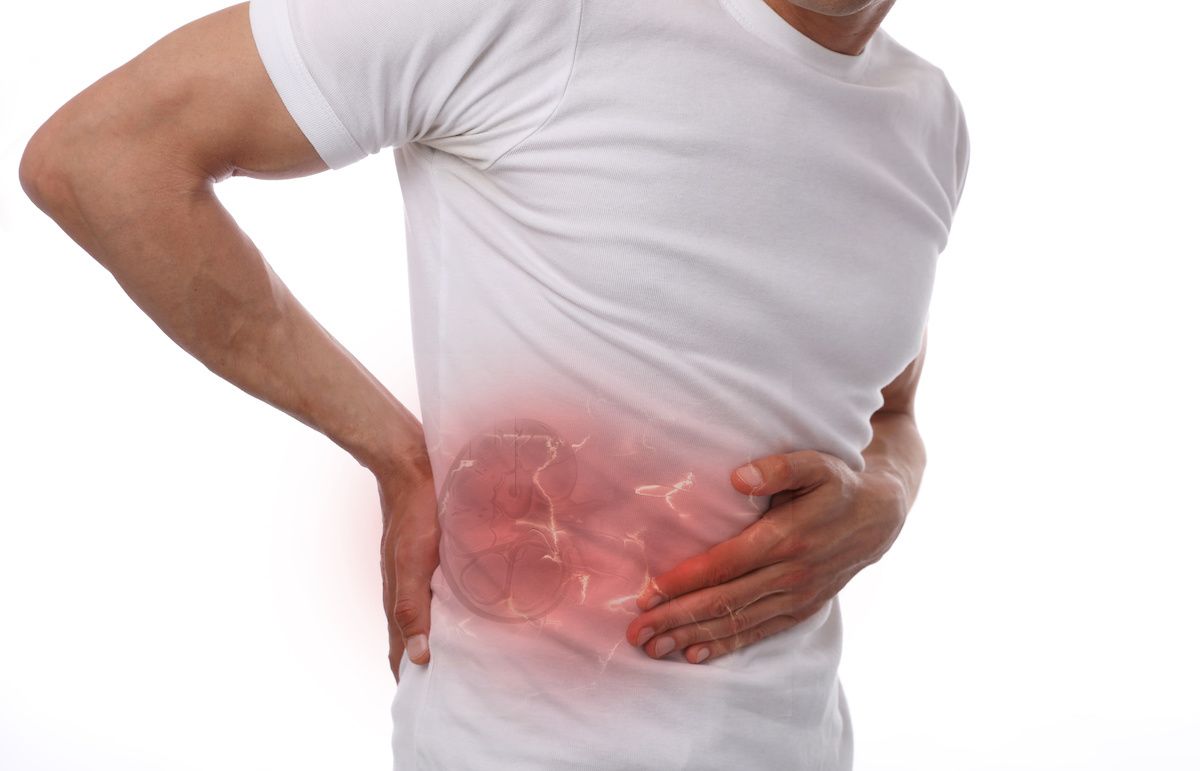
Real-world data shows rituximab biosimilars for membranous nephropathy match remission rates, cut costs, and expand treatment options. | Image credit: dream@do - stock.adobe.com
The retrospective analysis, conducted at a single tertiary center in Beijing, reviewed the records of 201 adults with membranous nephropathy (MN) who received high-dose rituximab biosimilar HLX01 and were followed for at least 1 year between January 2020 and December 2022.1 Rituximab, a monoclonal antibody that depletes CD20-positive B cells, is recommended as a first-line option for moderate- and high-risk MN in the 2021 Kidney Disease: Improving Global Outcomes guidelines, although the indication remains off-label. HLX01 became the first rituximab biosimilar approved in China, in 2019.
Biosimilar Data in Membranous Nephropathy Remained Scarce
Prior clinical trials had established that rituximab biosimilars matched the originator on pharmacokinetics, B-cell depletion, and safety in lymphoma and rheumatoid arthritis, but data on high-dose rituximab for MN were limited, and evidence for biosimilars in the indication was scarcer still. The analysis was designed to address that gap by measuring efficacy and tolerability in routine practice.
Over the 1-year follow-up, 151 of 201 patients achieved remission, an overall rate of 75.12%, with 53 reaching complete remission and 98 reaching partial remission. The median time to remission was 6 months. Patients who were treatment-naive achieved remission at 78.79%, and those previously treated at 73.33%, a difference that did not reach statistical significance (P = .40). Among patients who achieved remission, 12 (7.95%) relapsed, and 7 of those regained remission after readministration.
Laboratory measures reinforced the response. Serum albumin rose from a baseline mean of 28.4 g/L to 38.6 g/L at 12 months, and proteinuria fell from a median of 4.27 g/24 h to 0.96 g/24 h, with both changes statistically significant (P < .001). Serum creatinine remained stable, indicating preserved kidney function. The remission rate fell within the range reported for innovator rituximab in earlier MN trials, including the 60% 12-month rate in the MENTOR trial (NCT01180036) and the 58% 24-month rate in the STARMEN trial (NCT01955187).
Baseline PLA2R Status Predicted Response
Anti-phospholipase A2 receptor antibody (PLA2Rab) status at baseline was associated with outcomes. Patients who were PLA2Rab-negative at baseline reached a 12-month remission rate of 86.67%, compared with 72.26% among those who were positive (P = .03), although the negative group also entered treatment with significantly lower baseline proteinuria. The overall antibody negative conversion rate was 77.37% among baseline-positive patients.
Patient demographics reflected a profile typical of the disease, comprising 111 men and 90 women, a mean age of 53 years, and a mean body mass index of 25.8 kg/m2. About 40% received the biosimilar alone, and the remainder received it alongside at least one immunosuppressant. Adverse events occurred in 62 of 201 patients, an incidence of 30.85%, with flushing accompanied by pruritus or rash reported most often. Most reactions were transient and eased after temporary infusion suspension and intramuscular diphenhydramine. Serious adverse reactions were recorded in 2 patients (1.00%), both prompting discontinuation. All observed reactions were previously documented effects of rituximab.
Cost Savings Anchored the Biosimilar Rationale
Affordability underpinned the rationale for the biosimilar. In this cohort, the 201 patients received a combined 374 g of the product, priced at 60.9% of the innovator, translating to average savings of roughly ¥11,436.8 per patient per year. That direction mirrors trends in the US, where uptake of rituximab biosimilars rose from between 0% and 7% of claims in 2019 to a majority of Medicare Part B and Medicaid rituximab claims by 2022, a shift accompanied by declining per-unit costs across programs.2
The authors concluded that the efficacy and safety of the high-dose rituximab biosimilar in MN were "consistent with those of innovator products and that it can be used as a first-line treatment option for membranous nephropathy."1
The authors flagged several constraints. As a single-center retrospective study, the analysis carried risks of incomplete data, particularly on safety, and the one-year follow-up restricted assessment of long-term efficacy and tolerability. They called for prospective, multicenter, randomized trials and the determination of individualized pharmacokinetic and pharmacodynamic parameters to confirm the results.
References
- Zou Y-Z, Du X-L, Wang S-H, Dai R, Xiao R, Wang B. A retrospective study of the efficacy and safety of rituximab biosimilar for the treatment of membranous nephropathy. BMC Pharmacol Toxicol. Published online May 29, 2026. doi:10.1186/s40360-026-01155-7
- Qian J. Uptake of rituximab biosimilars in Medicare and Medicaid in 2019-2022. Am J Manag Care. 2024;30(12):e359-e363. doi:10.37765/ajmc.2024.89644
Newsletter
Where clinical, regulatory, and economic perspectives converge—sign up for Center for Biosimilars® emails to get expert insights on emerging treatment paradigms, biosimilar policy, and real-world outcomes that shape patient care.