

Practice
Latest News


August 28th 2026
A study found no direct trial evidence for natalizumab or its biosimilar in MS and found limited cost-effectiveness vs most alternatives.




More News
An Expert View on Immunogenicity and Biosimilars
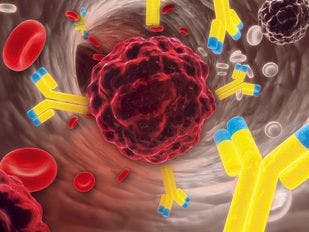
March 22nd 2019During the BioTech Pharma third annual Biosimilars and Biologics Summit, held March 21 to 22 in Porto, Portugal, João Gonçalves, PhD, group leader and principal investigator at Research Institute for Medicines in Portugal, discussed ways in which biosimilar developers can anticipate—and avoid—issues with immunogenicity.

Cellular Response to Infliximab May Be Linked With ADA Development
March 20th 2019Like all biologics, infliximab has the potential for immunogenicity, and the development of antidrug antibodies (ADAs) can lead to loss of response or hypersensitivity reactions. A newly published paper sought to evaluate the development of a cellular response to infliximab and whether such a response could predict ADA development.

Treating MS With Rituximab May Be Safe During Pregnancy and Breastfeeding
March 18th 2019Although rituximab does not carry an indication for the treatment of neurological disorders, the drug is widely used off-label as a therapy for B-cell–mediated disorders like multiple sclerosis (MS). Given the fact that rituximab has not been approved in these indications, however, data that reflect its safety and efficacy—particularly in patient populations for whom data are particularly scarce—are crucial.


Most Patients With AS Stop Their First Anti-TNF Therapy by Year 2, Study Finds
March 14th 2019Recently, a new study sought to examine treatment patterns in US patients new to anti–tumor necrosis factor (anti-TNF) therapy, and it found that a majority of patients, particularly women, do not remain on their first anti-TNF after 2 years.
Biosimilar Filgrastim Shows How Value Can Evolve Over Time, Study Says
March 12th 2019A recent meta-analysis of reference filgrastim’s (Neupogen) role in chemotherapy since its approval in 1991 shows how the definition of value has evolved over time as biosimilars for granulocyte colony-stimulating factors (G-CSF) entered the market.

Fewer Than Half of Oncologists in ESMO Survey Report Using Biosimilars in Clinical Practice
March 11th 2019Only 49.0% of prescribers reported that they use biosimilars in routine clinical practice, with more respondents from the Asia–Pacific region (56.3%) using these agents than their European counterparts (46.5%). The rate of use in the European group was lowest among UK prescribers (31.3%). A total of 24.1% reported that they do not use biosimilars in practice due to either a lack of approval or a lack of reimbursement in their respective countries.

Most Polish Pharmacists Have Concerns About Biosimilars, Survey Finds
March 9th 2019Biosimilars have been making substantial inroads in Europe, where their use is associated with increased patient access to treatment, particularly in nations with lower healthcare resources. Even so, biosimilars may be unfamiliar to stakeholders, and prescribers, pharmacists, and patients have lingering concerns about these products.
Investigators Present Data on ADA Development, TDM for Biosimilar Adalimumab
March 6th 2019The advent of biosimilar adalimumab in the European Union was among the most eagerly awaited events for biosimilar stakeholders in 2018. During this week’s European Crohn’s and Colitis Organisation’s 14th Congress, held in Copenhagen, Denmark, research teams are presenting findings concerning antidrug antibody (ADA) development related to adalimumab and therapeutic drug monitoring (TDM) of one of those adalimumab biosimilars: Amgen’s ABP 501, sold in the European Union as Amgevita.

Researchers Present Findings on Switching to CT-P13 in IBD
March 4th 2019This week, the European Crohn’s and Colitis Organisation (ECCO) will hold its 14th Congress in Copenhagen, Denmark. During the meeting, which runs from March 6-9, experts will gather from around the globe to discuss significant medical research into the treatment of inflammatory bowel disease (IBD), and numerous researchers will present findings on real-world switches to biosimilar infliximab CT-P13 (Inflectra, Remsima).
Bevacizumab and Cost-Saving Biosimilars Could Play a Role in Treating Advanced HCC
February 22nd 2019A newly published study discussed the potential for the anti–vascular endothelial growth factor agent bevacizumab (Avastin) and its cost-saving biosimilars to be used as second-line therapy for the treatment of patients with advanced hepatocellular carcinoma (HCC) who progressed while receiving standard therapy.


In Treating Patients With IBD Using Anti-TNFs, Clinicians Must Recognize and Manage AEs
February 17th 2019Originator and biosimilar anti–tumor necrosis factor (anti-TNF) therapies are widely used to treat inflammatory bowel disease (IBD) and are effective in reducing systemic inflammation and thereby reducing tissue damage. While these drugs have revolutionized the treatment of IBD, adverse events (AEs) related to these agents can cause morbidity and mortality, and gastroenterologists must be prepared to recognize and manage these AEs. A recently published review described AEs of particular concern with anti-TNFs and outlined their management.

Even as Russian Biosimilars Advance, Providers Have a High Unmet Educational Need
February 15th 2019Even as developers begin work on the next wave of cost-saving biosimilars, and though approximately 50 biosimilar products (including monoclonal antibodies) have been approved in Russia to date, the country has not yet established clear regulatory guidelines for biosimilars.

CT-P13 in IBD Is Safe and Effective in the Long Term, Research Shows
February 14th 2019Evidence to support treating inflammatory bowel disease (IBD), a category that includes Crohn disease and ulcerative colitis, with biosimilar infliximab continues to develop, and several new studies highlight the safety and efficacy of long-term treatment with CT-P13 (Inflectra, Remsima).

New Research Highlights the Role of Biosimilar Etanercept in Treating Ankylosing Spondylitis
February 13th 2019While the United States continues to await the launch of the first FDA-approved biosimilar etanercept (Erelzi), in other parts of the world biosimilars of the reference etanercept (Enbrel) are being widely used in clinical practice, and recent research reports on the role that biosimilar etanercept plays in the treatment of ankylosing spondylitis (AS).
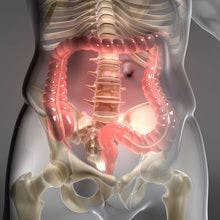
Infliximab Saves on Short-Term Costs in ASUC, and Biosimilars Could Help
February 12th 2019Acute severe ulcerative colitis (ASUC) can occur in up to 25% of patients with UC. Salvage therapy with infliximab or cyclosporine is standard first-line therapy for patients who do not respond adequately to intravenous corticosteroids, but questions have arisen about the cost-effectiveness of this approach versus early colectomy. A recent study, conducted in a tertiary hospital network in Australia, sought to compare healthcare utilization and costs between patients with ASUC who had early colectomy and those who were treated with infliximab.

No Safety Risks Found in a Switch From Reference Rituximab to GP2013
February 8th 2019GP2013, a biosimilar rituximab developed by Sandoz and licensed in the European Union under the brand names Rixathon and Riximyo, is used to treat both malignant and inflammatory diseases. A recently published paper, appearing in Arthritis Care and Research, says that researchers detected no safety risks when switching patients with rheumatoid arthritis from reference rituximab (Rituxan) to the biosimilar.

Paper Questions Utility of DANBIO Results for Switching to Biosimilar Etanercept
February 4th 2019In a newly published correspondence, Italian rheumatology providers called into question whether recently published results from the DANBIO registry can be used to guide non-medical switching from reference etanercept (Enbrel) to biosimilar SB4 (Benpali) in patients with inflammatory diseases.

Biosimilar Education Roundup: January 2019
January 31st 2019While the body of reassuring data on the safety and efficacy of biosimilars continues to grow, worrisome information about stakeholders’ levels of awareness of these products is also coming to light, and January 2019 saw the publication of a spate of studies showing low levels of patient and provider education on biosimilars.

More Research Finds Low Awareness of Biosimilars Among Oncology Providers
January 29th 2019While a majority of survey respondents said that they were at least somewhat familiar with current developments in oncology biosimilars, analyses of open-ended definitions found that only 1 participant could fully define a biosimilar, according to researchers.

Review Points to Nocebo Effect as a Cause of Higher Discontinuation Rates for Biosimilars
January 28th 2019In observational studies of patients who have switched treatment from a reference biologic to a biosimilar, some higher rates of discontinuation have been observed when these studies are compared with blinded switching studies.

Patient Awareness of Biosimilars Impacts Adherence, but Nurse-Led Education Could Help
January 23rd 2019Despite the fact that biosimilars have a longer history in the European Union than in the United States, many European patients still lack awareness of these medicines, and data suggest that a lack of awareness may be keeping patients from adhering to their therapies.

Increased Use of Infliximab Biosimilars Corresponds to Increased Reporting of AEs
January 21st 2019The study investigators noted that the number of individual case safety reports related to infliximab biosimilars increased directly after the marketing availability of the medicines in Italy, which can be interpreted as a result of more patients having access to infliximab therapy.

Canadian Payer Reports a Successful Switch to Biosimilars
January 21st 2019In 2018, Green Shield Canada launched its pilot Biosimilar Transition Program, through 3 plan sponsors, under which patients already receiving biologics were switched to biosimilars. Now that the pilot is complete, the payer is calling the program a success.

