Rheumatology
Latest News


July 7th 2026
Trial data show switching between ABP 654 and reference ustekinumab maintains similar psoriasis control, safety, and immunogenicity, supporting FDA interchangeability confidence.


More News

ACR SOTA Symposium: Update on RA Treatment
April 19th 2018Rheumatologists gathered from across the country last week to discuss the latest approaches in the treatment of rheumatoid arthritis (RA) and other inflammatory diseases at the American College of Rheumatology’s (ACR) 2018 State-of-the-Art (SOTA) Clinical Symposium held in Chicago, Illinois.


Patient Support Programs Associated With Greater Likelihood of Controlled AS
April 17th 2018Canadian patients who receive brand-name adalimumab (Humira) to treat ankylosing spondylitis (AS) are eligible for a patient support program, provided by drug maker AbbVie, that includes personalized services such as coaching phone calls before and after initiating treatment.


ACR Says Final Rule on EHB Benchmark Plans Could Reduce Access to Biologics
April 13th 2018This week, the American College of Rheumatology (ACR) raised concerns that CMS’ final 2019 Payment Notice Rule, which provides states with increased flexibility to determine which plan options they can select as Essential Health Benefit- (EHB) benchmark plans and select their own sets of benefits, could seriously jeopardize care for patients with inflammatory diseases.

Upadacitinib Superior to Adalimumab in Phase 3 Trial in RA
April 11th 2018AbbVie reports that the trial of 15 mg of orally-administered, once-daily upadacitinib met its primary endpoints, with 71% of patients achieving 20% improvement based on American College of Rheumatology criteria (ACR20), and 29% achieving clinical remission.

Samsung Bioepis Settles With AbbVie, Clearing Way for EU Launch of Adalimumab Biosimilar
April 5th 2018Samsung Bioepis and Biogen announced today that the companies have reached a settlement with AbbVie, maker of the top-selling Humira, that will allow the partnership to launch their approved biosimilar—Imraldi—in the European Union on October 16, 2018.
Long-Term Adalimumab Provides Sustained Benefits in Axial Spondyloarthritis
April 3rd 2018A recent study provides the final long-term efficacy and safety results from the phase 3 ABILITY-1 trial’s open-label extension in patients with nonradiographic axial spondyloarthritis, which show that the anti–tumor necrosis factor agent adalimumab (Humira) provided sustained clinical and functional improvements through 3 years.


Study: Rituximab Associated With More AEs Than Other Infusions in Pediatric Patients
March 26th 2018Intravenous infusion therapy has become critical for the treatment and maintenance of many pediatric rheumatic diseases, such as juvenile idiopathic arthritis, systemic lupus erythematosus, and inflammatory bowel disease-associated arthritis. Recently, researchers conducted a retrospective review of all pediatric patients given infusions at the University of Alabama at Birmingham from 2012 to 2015.
Study Finds Higher Rates of Discontinuation Due to Remission Among Infliximab Users With RA
March 19th 2018A multi-center retrospective study of Japanese patients, newly published in PLOS One, sought to describe treatment persistence and reasons for discontinuation among patients who were treating their rheumatoid arthritis with 1 of 7 biologic agents: adalimumab, etanercept, infliximab, golimumab, certolizumab pegol, tocilizumab, and abatacept.

Switching Anti-TNF Agents May Help Patients With Ankylosing Spondylitis
March 8th 2018Anti–tumor necrosis factor (anti-TNF) treatment has revolutionized the management of ankylosing spondylitis (AS), but 20% to 30% of patients discontinue treatment due to failure or inadequate response to treatment. That being said, anti-TNF therapies are structurally different and have different mechanisms of action; consequently, unsuccessful treatment with 1 anti-TNF drug does not determine a patient’s potential response to another.
Anti-TNF Therapy Holds Promise for Patients With Coexisting Lupus and RA
March 7th 2018A recent study analyzed the long-term efficacy and safety profile of anti–tumor necrosis factor (anti-TNF) treatment in 15 patients with rhupus, a rare association defined by the coexistence of both systemic lupus erythematosus and rheumatoid arthritis (RA) in the same patient.



Study: Corticosteroid Use May Delay Initiation of Biologics in Patients With RA
February 22nd 2018Patients with rheumatoid arthritis (RA) who use corticosteroids can delay the initiation of biologic disease-modifying antirheumatic drugs (DMARDs), have higher incidence of adverse events (AEs), and have more healthcare costs before the initiation of biologic DMARDs than patients who do not use corticosteroids.

New Studies Investigate Infliximab Biosimilars in Treating CD, UC, and RA
February 20th 2018At the recent European Crohn's and Colitis Organisation’s 13th Congress in Vienna, Austria, several studies investigated the efficacy of infliximab biosimilars in treating Crohn disease (CD), ulcerative colitis (UC), and rheumatoid arthritis (RA).

TITRATE Study to Investigate Intensive Management of RA
February 16th 2018The TITRATE study is designed to investigate whether intensive management of RA leads to a greater number of remissions at 12 months, in addition to examining levels of disability, quality of life and acceptability, and cost-effectiveness.
Eli Lilly Announces Positive Results for IL-17 Inhibitor in Treating Ankylosing Spondylitis
February 15th 2018Yesterday, Eli Lilly announced that its anti–IL-17 monoclonal antibody ixekizumab (Taltz) met the primary and key secondary endpoints in the phase 3 COAST-V trial evaluating its safety and efficacy in ankylosing spondylitis.

Rheumatologist Sees Gray Areas in ACR White Paper on Biosimilars
February 14th 2018According to Roy Fleischmann, MD, a recent American College of Rheumatology (ACR) white paper appropriately describes issues including the nomenclature of biosimilars, the biosimilar approval pathway, and differences between biosimilars for biologic drugs and generics for small-molecule drugs. However, he takes issue with ACR's stance on substitution, extrapolation, and interchangeability.
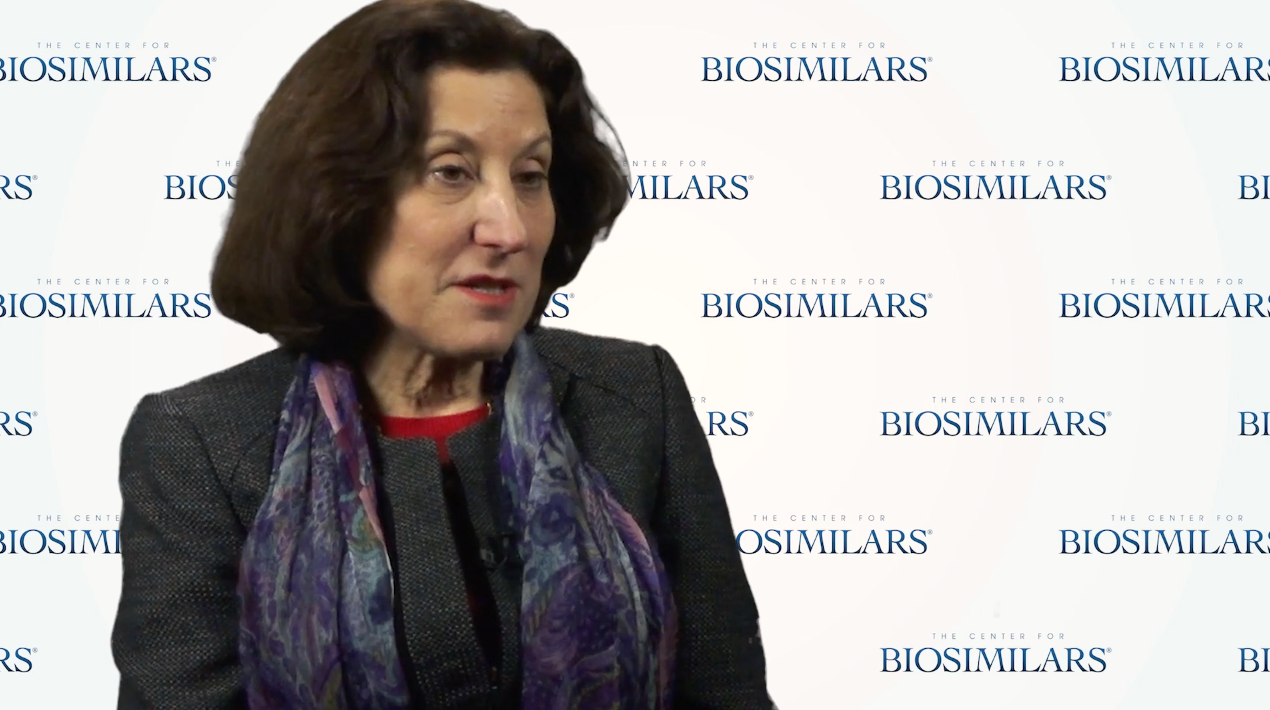
Dr Hope Rugo: Talking With Other Prescribers About Biosimilars
February 14th 2018Hope Rugo, MD, director of the breast oncology clinical trials program at the University of California at San Francisco, disucusses the conversations she is having and expects to have with fellow prescribers about biosimilars in oncology.

Early Adalimumab Leads to Better Outcomes for Patients With Psoriatic Arthritis
February 9th 2018In late 2017, a study was published in Acta Reumatologica Portuguesa evaluating the effect adalimumab (Humira), an anti–tumor necrosis factor therapy in the treatment of patients with both short- and long-term psoriatic arthritis (PsA) disease duration.
ACR Backs Biosimilars in New White Paper
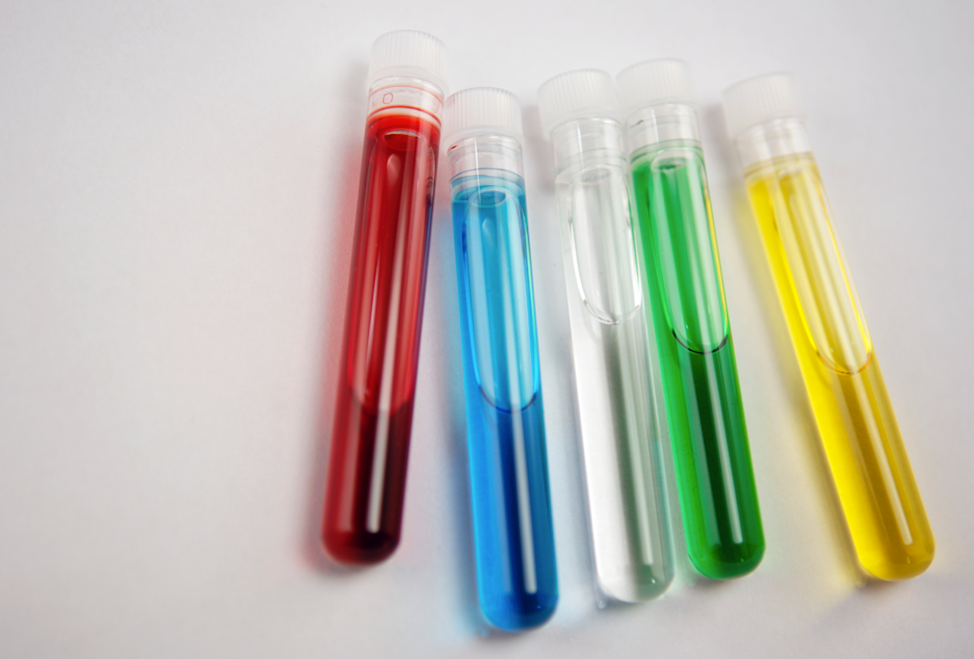
February 8th 2018The American College of Rheumatology (ACR)'s previous position on biosimilars was one of caution during the initial development, evaluation, and approval of these drugs, but, writes the organization, “Now that biosimilars have been used successfully in Europe, with rigorously acquired data supporting their broader use, and as the [United States] is on the verge of a similar transition, the ACR is poised to reconsider its position.”

ACR Urges HHS to Reform Policies on Part B, Prior Authorizations
February 1st 2018The American College of Rheumatology (ACR), which represents over 9500 rheumatologists and rheumatology health professionals, recently submitted a letter to HHS in response to the department’s request for information on Promoting Healthcare Choice and Competition Across the United States.
Do Inadequate Storage Practices Play a Role in Loss of Response to Subcutaneous Biologic Agents?
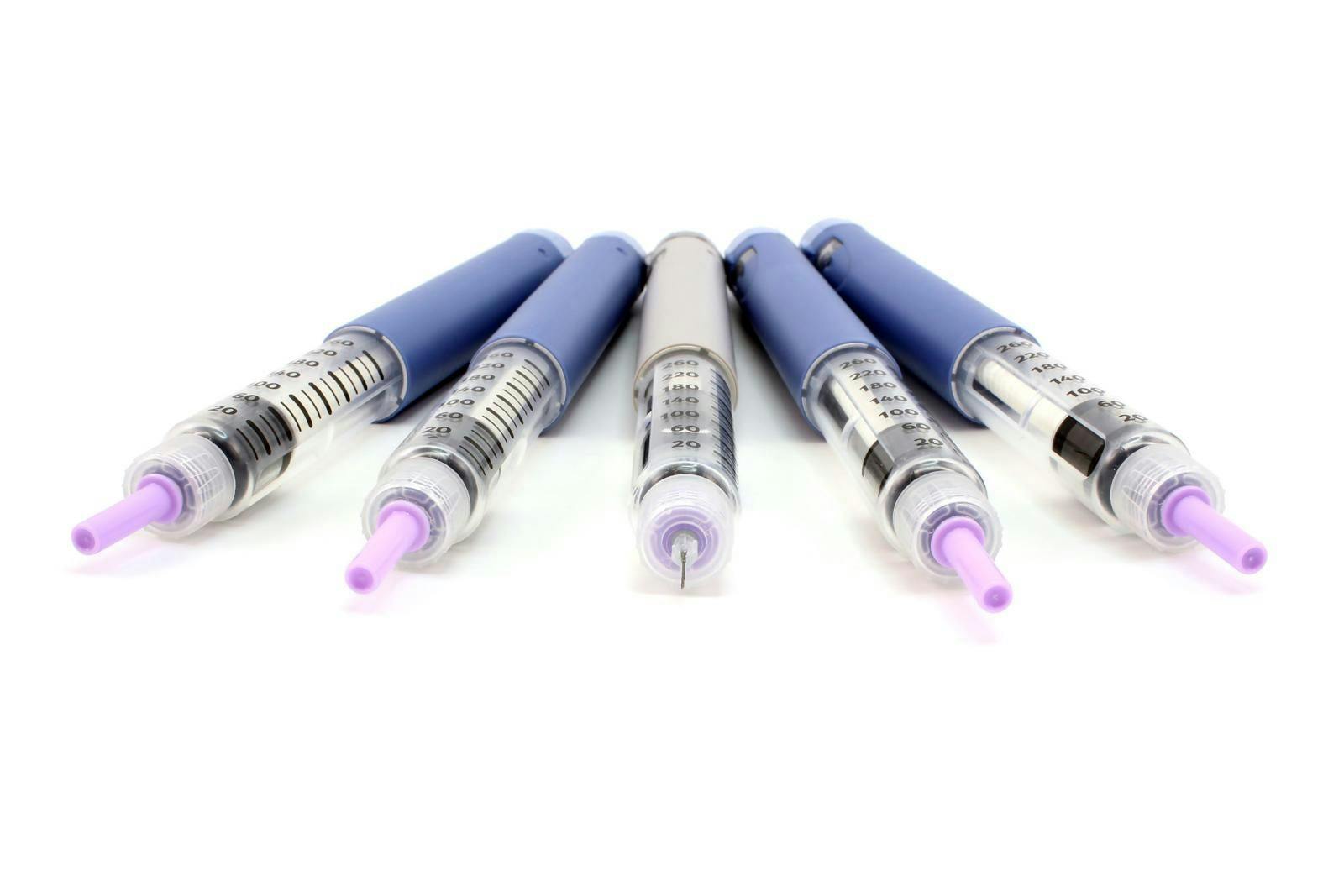
January 29th 2018A recent study, set in the Netherlands, sought to assess patients’ attitudes about redistributing unused, subcutaneously administered biologic drugs, which could allow potential cost savings for the health system. However, the study unexpectedly found alarming storage inconsistencies and patient nonadherence to storage guidelines for these drugs.

ACR Symposium Highlights Approaches to Using Biologics, Biosimilars in RA
January 25th 2018At the American College of Rheumatology (ACR)'s Winter Rheumatology Symposium, held this week in Snowmass Village, Colorado, rheumatologists from across the country gathered to discuss the latest approaches to treating rheumatoid arthritis (RA).

Pfizer's PF-05280586 Shows Equivalence to Reference Rituximab in Comparative Study
January 24th 2018Pfizer announced today that PF-05280586, the company’s proposed biosimilar to reference rituximab (Rituxan, MabThera), has been shown to be equivalent to the reference in overall response rate for the first-line treatment of patients with CD20-positive, low tumor burden follicular lymphoma.