

Rheumatology
Latest News


February 3rd 2026
New Danish registry data confirm the safety of switching to infliximab biosimilars, showing low rates of serious adverse events in patients with inflammatory arthritis.


Advancing Immunotherapy in Endometrial Cancer: A Managed Care Perspective on Personalized Care
1.5 Credits / Gynecologic Cancer, Health Equity, Diversity & Inclusion, Oncology, Women's Health
View More

Payment for Pharmacist Services: 2025 Update
1.0 Credit / General Pharmacy, Health Equity, Diversity & Inclusion, Law
View More
More News

BI Announces 1-Year Data on Adalimumab Biosimilar, Cyltezo
November 8th 2017At this week’s American College of Rheumatology 2017 Annual Meeting, Boehringer Ingelheim (BI) announced 1-year data from the VOLTAIRE-RA trial, which showed that BI’s newly approved adalimumab biosimilar (Cyltezo) showed no clinically meaningful differences in safety, efficacy, or immunogenicity from the reference adalimumab (Humira) in patients who had moderate to severe rheumatoid arthritis (RA).

Obese Patients With Rheumatoid Arthritis Less Likely to Achieve Remission
November 8th 2017Research presented at the 2017 American College of Rheumatology Annual Meeting found that patients with rheumatoid arthritis and higher body mass index were less likely to achieve remission and more likely to face higher rates of disability.

4 Studies Address Successes, Failures, and Strategies in Non-Medical Biosimilar Switching
November 8th 2017Today, 4 presentations at the 2017 American College of Rheumatology’s (ACR) Annual Meeting in San Diego, California, covered research on switching studies concerning etanercept and infliximab biosimilars.
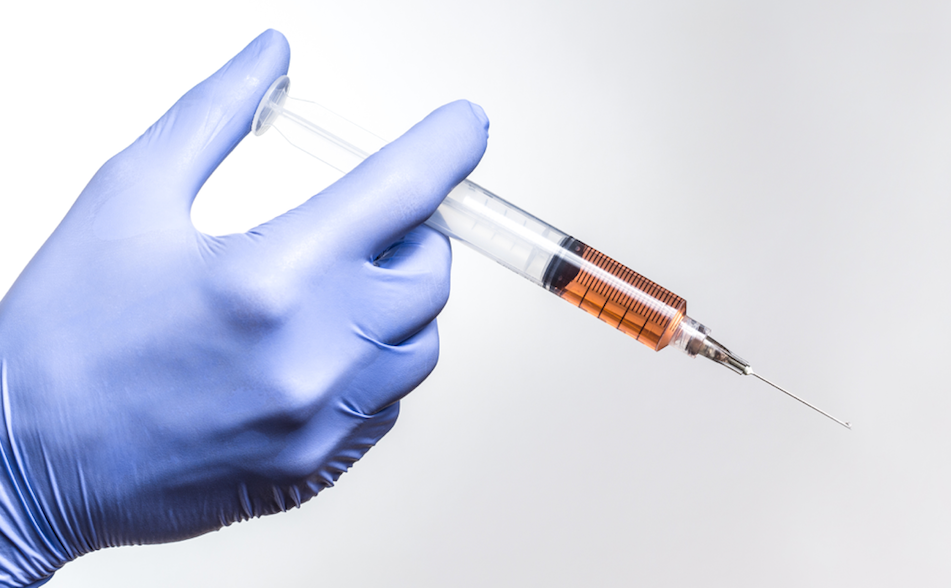
Biosimilars Present Distinct Challenges in Rheumatology Practice
November 7th 2017In a presentation titled “Biosimilar Medicine: Changing Landscape in Health Care,” given on Monday at the 2017 American College of Rheumatology Annual Meeting in San Diego, California, J. Eugene Huffstutter MD, FACP, FACR, shared practical considerations for using biosimilars in the rheumatology clinic.

Research Focuses on Proposed Adalimumab Biosimilars
November 6th 2017Three presentations at this week’s 2017 American College of Rheumatology Annual Meeting in San Diego, CA, cover research on pharmacokinetic equivalence, safety, and switching of 2 proposed adalimumab biosimilars, GP2017 and CHS-1420.
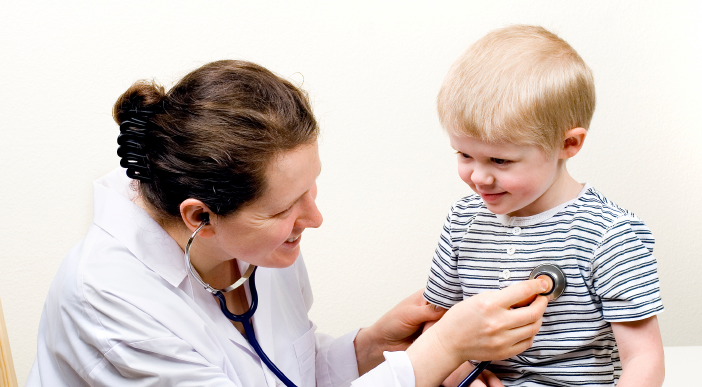
2 Surveys Highlight Rheumatologists' Knowledge Gaps With Biosimilars
November 6th 2017Two posters presented today at the American College of Rheumatology’s 2017 meeting in San Diego, California, highlight the gaps in US rheumatologists’ knowledge concerning biosimilar therapies, and underscore the importance of greater physician education about biosimilar medicines.
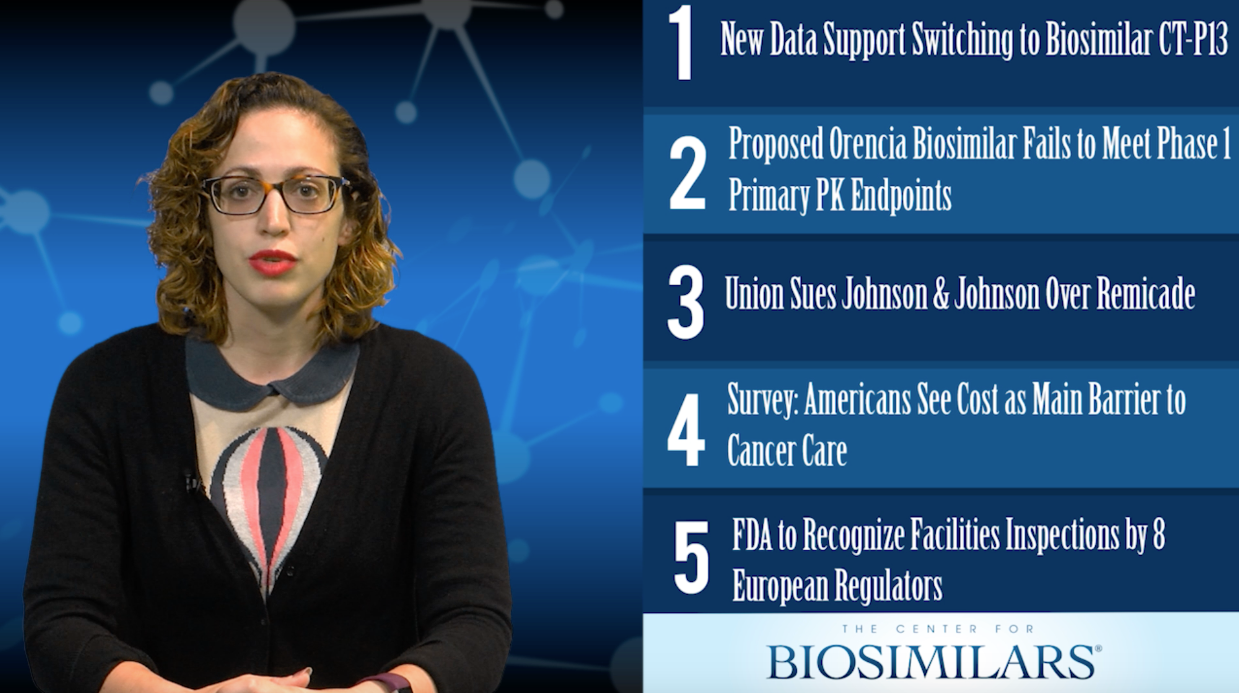

Risankizumab Outperforms Humira, Stelara in Treating Plaque Psoriasis
October 27th 2017As AbbVie’s best-selling Humira faces oncoming biosimilar competition, the drug maker is developing a new innovator product that could help it retain a hold on the market; new results from 3 phase 3 clinical trials show AbbVie’s investigational interleukin-23 inhibitor, risankizumab, to be more effective than adalimumab (Humira) or ustekinumab (Stelara) in patients with moderate-to-severe plaque psoriasis.



Study: Etanercept Reduces Healthcare Utilization for Patients With Rheumatoid Arthritis
October 26th 2017Patients with rheumatoid arthritis (RA) have high healthcare utilization and high healthcare costs, which place a burden on health systems and patients alike. However, a recently published retrospective cohort study found that effective treatment for RA (namely, treatment with etanercept) may lead to lower overall and lower RA-related healthcare utilization.
Long-Term Data Support Switching From Reference Infliximab to SB2
October 21st 2017New data from an extension period of a phase 3 study of Samsung Bioepis’ SB2 (Renflexis) in patients with moderate to severe rheumatoid arthritis found that there was no clinically meaningful difference in safety, efficacy, or immunogenicity in patients who were switched from reference infliximab to the biosimilar compared with patients who continued treatment with either the reference or the biosimilar without switching.

Study Reports 24% Discontinuation Rate After Switching From Remicade to Biosimilar CT-P13
October 19th 2017A Dutch study reports that 24% of patients who switched from originator infliximab to CT-P13, an infliximab biosimilar, discontinued the biosimilar by their 6-month follow-up, mainly for reasons researchers termed “subjective” health complaints.

Biosimilars and the Nocebo Effect
October 18th 2017Switching patients from originator biologics to biosimilars is associated with the potential for a “nocebo” effect, a phenomenon that occurs when a patient’s negative expectation causes a treatment to have a more negative effect than it otherwise would—essentially, the opposite of the placebo effect.
Biosimilars Face Challenges From Providers, Patients, and Policies
October 13th 2017In recent paper published in Rheumatology, authors Till Uhlig, MD, and Guro L. Goll, PhD explore some of the remaining barriers to the adoption of biosimilar therapies in Europe. Physician attitudes, patient concerns, and prescribing restrictions on biologic therapies are all identified in the paper as having a role curbing uptake of biosimilars.

