

News



For Health Plans Developing Approaches to Biosimilars, Engagement is Key
February 21st 2019In an interview with The Center for Biosimilars®, Mona Chitre, PharmD, CGP, chief pharmacy officer and vice president of clinical operations and health innovation at Excellus Blue Cross Blue Shield, said increased spending on specialty pharmacy products is a primary reason for health plans’ growing interest in developing strategies to address biosimilars.

Canada Finds "Insufficient Evidence" That Janssen Blocked Biosimilar Competition
February 21st 2019Despite the fact that the investigation confirmed many of the allegations against Janssen, the bureau concluded that, "at this time, there is insufficient evidence" that Janssen's conduct prevented competition.

Study Examines the Development of the First International Standard for Infliximab
February 21st 2019The World Health Organization has long recognized the need for a global harmonization of standards for biologics worldwide. In response, the United Kingdom's National Institute for Biological Standards and Control has developed the first international standard for infliximab.

Ahead of US Biosimilar Competition for Humira, FDA to Give AbbVie's Upadacitinib Priority Review
February 20th 2019AbbVie has announced that the FDA has accepted for priority review its New Drug Application for upadacitinib for the treatment of rheumatoid arthritis (RA). Upadacitinib is a proposed once-daily, small-molecule, oral Janus kinase inhibitor that, if approved, could be an alternative to therapy with such injectable biologics as AbbVie’s flagship RA treatment, adalimumab (Humira), which will face biosimilar competition in the United States by 2023.

European Commission Authorizes Pfizer's Bevacizumab Biosimilar, Zirabev
February 19th 2019Pfizer received authorization from the European Commission for its bevacizumab biosimilar, PF-06439535, to be sold under the trade name Zirabev for the treatment of certain advanced cancers: carcinoma of the colon or rectum, breast cancer, non–small cell lung cancer (NSCLC), renal cell cancer, and cervical cancer.



Study Documents How Price of TNF Inhibitors Rose After New Competition
February 18th 2019A study of cost trends for tumor necrosis factor (TNF) inhibitors for rheumatoid arthritis (RA) after the entry of new competition showed that the newer drugs did not lower costs, and in fact, the annual treatment costs of the existing medicines rose by $17,390. Taxpayer funds shouldered all of the increases, and the “findings illustrate a market failure contributing to the rising costs of prescription drugs,” according to the researchers.

Diverging from FDA, Health Canada Announces Suffix-Free Biologic and Biosimilar Naming Convention
February 18th 2019Health Canada has announced that all biologics, including biosimilars, will be identified by their brand names and nonproprietary names without the addition of a product-specific suffix. The regulator says that both the brand name and nonproprietary name of any biologic product should be used at all times so that products that share the same nonproprietary name can be differentiated by their brands.
Eli Lilly Hints That It May Pursue "Branded Biosimilars" of Its Own Products
February 18th 2019The comment period has recently closed for the FDA’s proposed approach to the transition of insulins and other products that have historically been regulated as drugs and follow-ons to regulation as biologics and biosimilars, and among the comments from stakeholders is a suggestion that one drug maker may be interested in selling biosimilars of its own products.

In Treating Patients With IBD Using Anti-TNFs, Clinicians Must Recognize and Manage AEs
February 17th 2019Originator and biosimilar anti–tumor necrosis factor (anti-TNF) therapies are widely used to treat inflammatory bowel disease (IBD) and are effective in reducing systemic inflammation and thereby reducing tissue damage. While these drugs have revolutionized the treatment of IBD, adverse events (AEs) related to these agents can cause morbidity and mortality, and gastroenterologists must be prepared to recognize and manage these AEs. A recently published review described AEs of particular concern with anti-TNFs and outlined their management.
AAM's Christine Simmon on Biosimilars Council Initiatives and Educating Around Interchangeability
February 16th 2019After the Association for Accessible Medicines’ (AAM’s) Access! 2019 annual meeting came to a close last week, The Center for Biosimilars® spoke with Christine Simmon, senior vice president of policy and strategic alliances, AAM, and executive director, AAM’s Biosimilars Council, to get her take on some of the outcomes of the meeting.
FDA Releases Draft Guidance to Stimulate Generic Competition for Branded Drugs
February 16th 2019The FDA released draft industry guidance for its pathway aimed at providing incentives to stimulate competition for branded drugs that have few or no generic counterparts in the marketplace. Separately, it also updated its “name and shame” list.
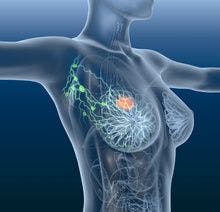
On the Strength of a Discount and Biosimilar Trastuzumab Savings, NICE Recommends Pertuzumab
February 15th 2019The United Kingdom’s National Institute for Health and Care Excellence (NICE) today released a final appraisal of pertuzumab (Perjeta) together with intravenous trastuzumab and chemotherapy for the treatment of HER2-positive early breast cancer, and recommended pertuzumab for use in patients if they have lymph node–positive disease and if drug maker Roche adheres to its promised discount for the drug.

Even as Russian Biosimilars Advance, Providers Have a High Unmet Educational Need
February 15th 2019Even as developers begin work on the next wave of cost-saving biosimilars, and though approximately 50 biosimilar products (including monoclonal antibodies) have been approved in Russia to date, the country has not yet established clear regulatory guidelines for biosimilars.

FDA Proposes Path for Voluntary Pharmaceutical Quality Standards
February 14th 2019The FDA this week announced draft guidance that would allow stakeholders to propose pharmaceutical quality standards for potential informal recognition to increase efficiency in drug development by achieving “voluntary consensus standards.”



As Biosimilars Close In, Innovator Biologic Developers Forge New Strategies
February 14th 2019As brand-name biologics that have achieved strong sales begin to age, and as biosimilar developers grow closer to gaining approval for and launching their products, innovator biologic developers are taking on new strategies to defend their profits and market share.

CT-P13 in IBD Is Safe and Effective in the Long Term, Research Shows
February 14th 2019Evidence to support treating inflammatory bowel disease (IBD), a category that includes Crohn disease and ulcerative colitis, with biosimilar infliximab continues to develop, and several new studies highlight the safety and efficacy of long-term treatment with CT-P13 (Inflectra, Remsima).

Prior Authorization Process Continues to Weigh On Providers and Patients, AMA Says
February 13th 2019An American Medical Association survey of 1000 physicians regarding the impact of prior authorization (PA) found that most providers reported a significant or negative impact on patient care, and more than a quarter reported a serious adverse event.

New Research Highlights the Role of Biosimilar Etanercept in Treating Ankylosing Spondylitis
February 13th 2019While the United States continues to await the launch of the first FDA-approved biosimilar etanercept (Erelzi), in other parts of the world biosimilars of the reference etanercept (Enbrel) are being widely used in clinical practice, and recent research reports on the role that biosimilar etanercept plays in the treatment of ankylosing spondylitis (AS).


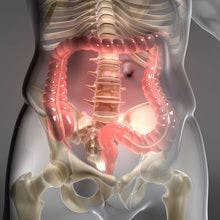
Infliximab Saves on Short-Term Costs in ASUC, and Biosimilars Could Help
February 12th 2019Acute severe ulcerative colitis (ASUC) can occur in up to 25% of patients with UC. Salvage therapy with infliximab or cyclosporine is standard first-line therapy for patients who do not respond adequately to intravenous corticosteroids, but questions have arisen about the cost-effectiveness of this approach versus early colectomy. A recent study, conducted in a tertiary hospital network in Australia, sought to compare healthcare utilization and costs between patients with ASUC who had early colectomy and those who were treated with infliximab.

In a Win for Boehringer Ingelheim, AbbVie Must Turn Over Humira Documents
February 12th 2019In a long-running patent dispute with biosimilar developer Boehringer Ingelheim, AbbVie, maker of the brand-name adalimumab, Humira, has been ordered to produce documents related to its efforts to obtain patents that could shield its blockbuster drug from biosimilar competition.
2019: The Year that Interchangeability Might Change the Biosimilars Landscape
February 12th 2019This year, the biosimilar landscape will likely focus on interchangeability as biosimilars manufacturers and other stakeholders seek to reduce costs and increase uptake. This follows the 2018 trend of biosimilar litigation settlements and the attention in 2017 to the information exchanges, also known as the “patent dance,” laid out in the Biologics Price Competition and Innovation Act of 2009.

