
Practice
Latest News


August 28th 2026
A study found no direct trial evidence for natalizumab or its biosimilar in MS and found limited cost-effectiveness vs most alternatives.




More News


Part 1: NCCN Panel Discusses Patient Education on Biosimilars
May 22nd 2020Patient preferences play a large role in the effort to get biosimilars into the mainstream of therapeutics, and education is often a struggle, panelists said at the National Comprehensive Cancer Network (NCCN) 2020 Virtual Annual Conference.
ISPOR Panelists Weigh the Success of APMs
May 19th 2020The alternative payment model (APM) doesn’t perfectly balance the competing interests of revenue growth and value-based care, but it has been a learning tool, panelists said at Virtual ISPOR 2020, the annual meeting of the International Society for Pharmacoeconomics and Outcomes Research.
Panelists Advocate for Global Collaboration in RWE Effort
May 19th 2020Harmonized efforts across global borders and among stakeholders are needed to generate and build acceptance of real world evidence (RWE) to actively aid in health care decision making, panelists said at Virtual ISPOR 2020, the annual meeting of the International Society for Pharmacoeconomics and Outcomes Research.







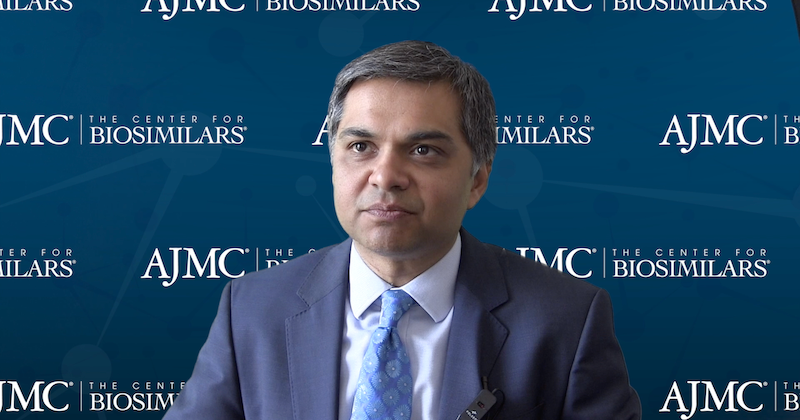
Surya Singh, MD, Explains How Biosimilar Education Has Reduced Provider Doubt
April 15th 2020Surya Singh, MD discusses how education efforts have reduced providers’ doubts surrounding the similarity between biosimilars and their reference products at the March 2020 FDA/Federal Trade Commission workshop on anticompetitive practices.


Biosimilar Promotion Should Be Targeted, Constructive
April 9th 2020Biosimilar companies may do themselves a disservice if they produce education materials that don’t address the needs of clinicians or blatently self-promote, according to Kathy Oubre, chief operations officer at Pontchartrain Cancer Center of Louisiana.