
Practice
Latest News


August 28th 2026
A study found no direct trial evidence for natalizumab or its biosimilar in MS and found limited cost-effectiveness vs most alternatives.





More News

Investigators Recommend a More Systematic Effort to Get Biosimilars Adopted
March 25th 2020A gentle, persuasive effort to get patients and physicians to adopt biosimilars is likely to work better than a heavy-handed approach, say Canadian investigators, who recommend more study of how mindsets and prescribing practices are changed.

Patel: Biosimilar Education Can Be Challenging
March 21st 2020Kashyap B. Patel, MD, has worn many hats in the struggle to broaden biosimilar access. He is an independent oncology practitioner, a member of the Community Oncology Alliance (COA), and a representative of International Oncology Network (ION) Solutions, a large drug purchasing organization. Bringing biosimilars to a broader population of patients has involved negotiations with payers, persistence on Capitol Hill, and education, he explains in an interview.

2019 Saw Mounting Evidence to Support Nonmedical Switching, Review Article Says
February 21st 2020A recent year-in-review article outlines studies published in 2019 about nonmedical switching from originator biologics to biosimilars in rheumatoid arthritis, psoriatic arthritis, and axial spondyloarthritis.

What Are the Factors for Starting Anti-TNF Inhibitor Biosimilars in RA and AS?
February 11th 2020The study aimed to provide insight into the real-world patterns of biosimilar initiation in patients with rheumatoid arthritis (RA) and ankylosing spondylitis (AS) in Korea by identifying patient characteristics and other factors associated with starting biosimilars using a logistic regression model.

Reference-Based Drug Pricing Shifts Mix of Therapies, Lowers Prices Paid, Study Finds
February 5th 2020Reference pricing may shift the mix of drugs dispensed from those offering the highest rebates to pharmacy benefit managers to those offering the lowest prices to employers and employees, according to a new study published Wednesday.
Nocebo Effect May Have Role in Some Treatment Failures, Adverse Events in Nonmedical Switching
January 29th 2020Researchers reviewed randomized controlled trials and real-world evidence studies on nonmedical switching; that is, switching patients who are doing well on their current originator therapy to a biosimilar.

Study Suggests CPT-13 Comparable to Infliximab at Lower Cost in Patients With IBD
January 18th 2020The biosimilar CPT-13 (Remsima) is currently approved in Europe for all uses for which the originator infliximab (Remicade) is approved, including Crohn disease (CD) and ulcerative colitis (UC), which are often referred to collectively as IBD.

Survey Finds Asian Gastroenterologists Report Less Confidence in Biosimilars
January 8th 2020Just 6% of the Asian doctors said they felt confident using biosimilars in clinical practice. A survey of European doctors found a similar confidence level in 2013, but that level had climbed to 28.8% by 2015.




Low-Dose Rituximab May Be Cost-Effective for Myasthenia Gravis
December 28th 2019Autoimmune myasthenia gravis is typically treated with surgery, acetylcholine esterase inhibitors, corticosteroids, and immunosuppressive drugs like azathioprine and mycophenolate mofetil. Some patients have refractory disease and may require therapies like eculizumab (Soliris), which, while effective, is a particularly high-cost biologic that has no approved biosimilars in Europe or the United States, although biosimilars are advancing through clinical development. Rituximab, however, which is lower-cost than eculizumab and has multiple approved biosimilars, has also emerged as a promising treatment.
Switching Back to Reference Infliximab From Biosimilar Appears Effective for Patients With IBD
December 27th 2019At the United European Gastroenterology Week 2019, held in Barcelona, Spain, earlier this year, a research team from the Netherlands reported on the prevalence of patients with inflammatory bowel disease (IBD) switching back to the reference infliximab after a previous switch to biosimilar CT-P13, and found that switching back appeared to be effective in patients with IBD.


A Large Proportion of Suboptimal Responders With Axial Spondyloarthritis Remain on Anti-TNF Agents
December 23rd 2019At 6 months and 1 year, respectively, survival rates among the suboptimal responders who stayed on their index anti–tumor necrosis factor (anti-TNF) agent were 90.2% and 85.1%, respectively.

Costs of Dose Escalation in RA Likely to Be Offset by Savings From Infliximab Biosimilars
December 19th 2019Using a biosimilar can produce substantial cost savings in patients who are receiving infliximab therapy for inflammatory diseases like rheumatoid arthritis (RA), but dose escalations, which are frequent for those who use infliximab, can increase the cost of therapy, even with a biosimilar.

Proactively Versus Reactively Measuring CT-P13 Trough Levels Did Not Improve 1-Year Outcomes in IBD
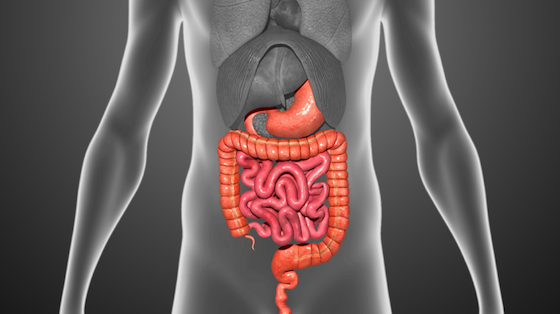
December 9th 2019As yet, there exists no consensus as to whether proactive or reactive monitoring is the most appropriate approach in patients with inflammatory bowel disease (IBD) who receive infliximab therapy.
Nocebo Effect Can Hamper Biosimilar Acceptance, Review Says
December 6th 2019Interestingly, nocebo effects may also be induced by exposure to information shared online, through social media, through drug advertisements, and advertised descriptions or warnings about health-related conditions. The effect can be profound; the authors said negative expectations underlying nocebo phenomena have been shown to alter activity in certain regions of the brain.
Is It Time to Look Beyond Price With Biosimilars?
December 5th 2019While there is no question that falling prices that come with competition are cause for optimism in the United States, which is burdened by rising drug costs, some experts from Europe caution that a focus on price alone misses key reasons to use biosimilars.

Retrospective Study of 56 Million Patients Shows Reduced Risk of Alzheimer With Anti-TNF Use
December 5th 2019Researchers from biotech company Tetra Therapeutics have reported that, in their retrospective population-based study of 56 million patients with inflammatory diseases, use of anti–tumor necrosis factor (anti-TNF) agents was linked with a reduced risk of Alzheimer disease.
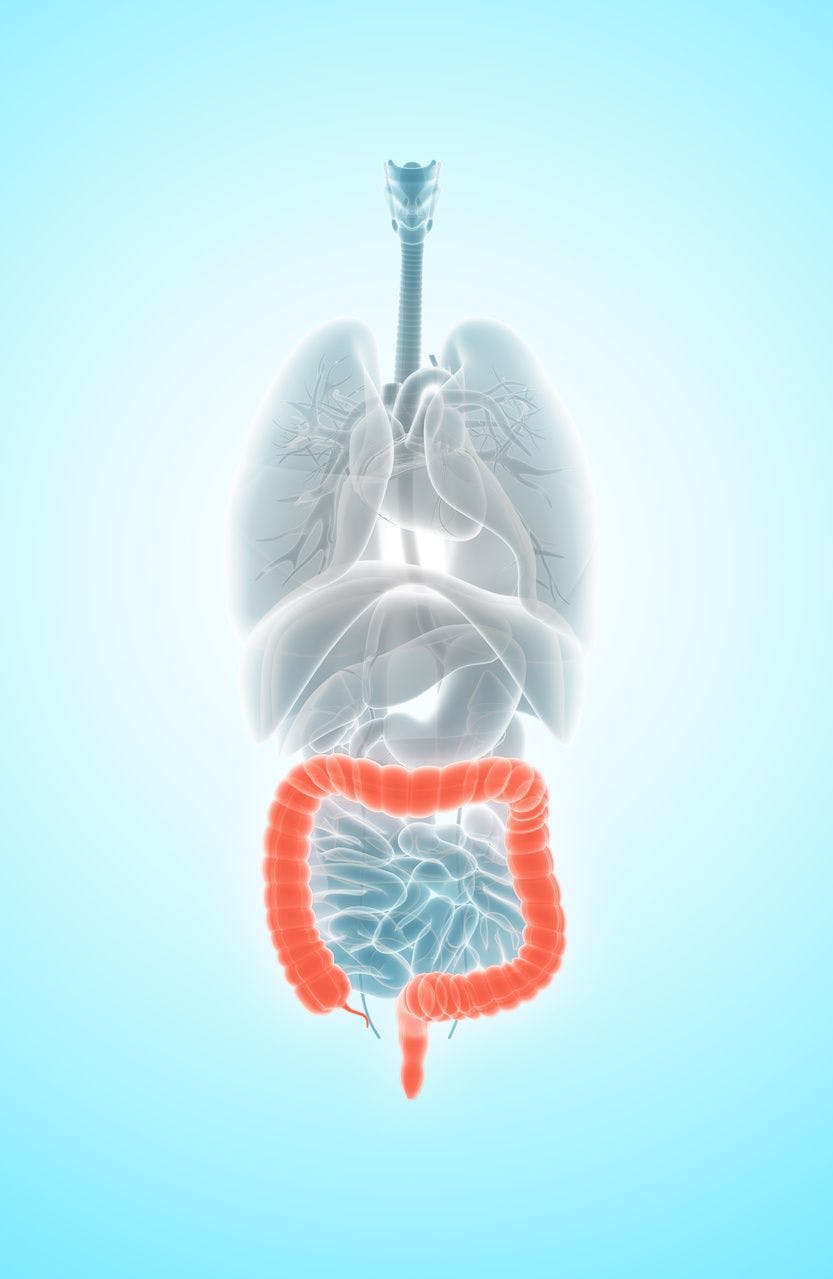
More Evidence Supports Introducing Adalimumab Early in Patients With CD
December 3rd 2019In Crohn disease (CD), anti–tumor necrosis factor therapies like adalimumab have provided an alternative to long-term corticosteroid therapy and have reduced the need for many patients to have surgical interventions. It has been proposed that early treatment with biologics may lead to better outcomes and fewer complications—like strictures and fistulae—and findings from a recent study support that assertion.
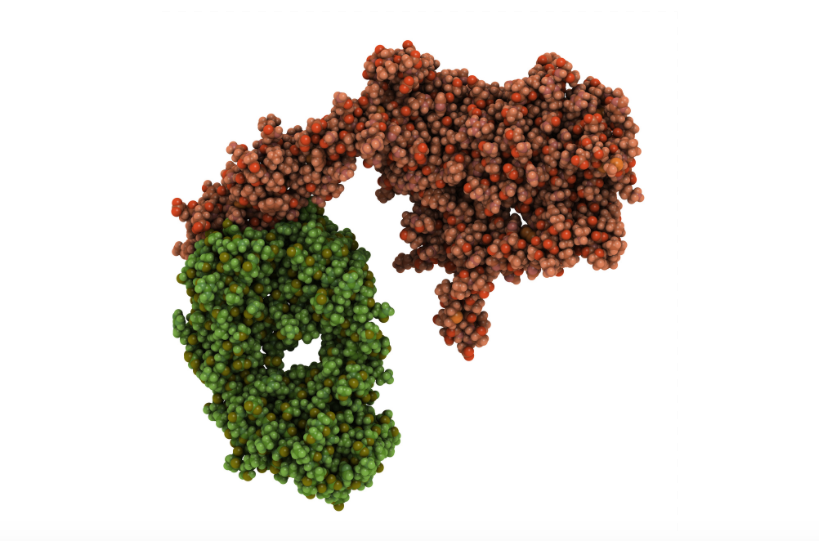
Mylan and Biocon Launch Biosimilar Trastuzumab, Ogivri, in the United States
December 2nd 2019Mylan and Biocon have announced that their biosimilar trastuzumab, Ogivri, has become commercially available in the United States. The biosimilar, referencing Herceptin, is now available in a 420-mg multidose vial and a 150-mg single-dose vial.
Nordic Study Shows Similar Retention Rates for Biosimilar and Reference Etanercept, Infliximab
November 25th 2019Nordic countries have had some of the highest rates of biosimilar use, and extensive registry data in these countries also allow for observational studies of biosimilar use in real-world clinical practice. A new study used data from 5 such registries—which included more than 2000 patients with spondyloarthritis—to assess retention rates for those treated with biosimilars or reference products of etanercept and infliximab.