

Practice
Latest News


August 28th 2026
A study found no direct trial evidence for natalizumab or its biosimilar in MS and found limited cost-effectiveness vs most alternatives.





More News

Monitoring B-Cell Recovery Is Key in Treating Neurological Diseases With Rituximab
May 9th 2018Antibodies that deplete B cells, including rituximab, have demonstrated efficacy in the treatment of neurological conditions such as progressive multiple sclerosis and neuromyelitis optica spectrum disorder. The efficacy of these treatments hinges on adequate B-cell depletion, but there is a lack of standardization in treatment and monitoring protocols to guide clinical practice.

In the United Kingdom, Biosimilars Are Increasingly Used as First-Line Therapy in JIA
May 8th 2018Though the use of biosimilars is becoming more common in the adult arthritis space, there has been little research on their use in pediatric patients. Identifying the need for further analysis in this population, researchers conducted a study investigating biosimilar use in children and young adults with juvenile idiopathic arthritis (JIA). The results were presented last week at the British Society for Rheumatology’s Annual Conference held in Liverpool, United Kingdom.
Cyclophosphamide-Bevacizumab as Second-Line Chemo in Advanced Recurrent Cervical Cancer
May 7th 2018Some cervical cancer patients with advanced or recurrent disease suffer from anaphylaxis after taxane- or platinum-based therapy, and there is no standard treatment for progressive disease that develops during or shortly after platinum-based chemotherapy. Doctors and patients have therefore sought the development of a non-taxane, non-platinum regimen for recurrent cervical cancer.

UK Researchers Report a Successful Switch to Biosimilar Etanercept
May 4th 2018Yesterday, at the British Society for Rheumatology’s Annual Conference held in Liverpool, United Kingdom, researchers presented a study that investigated the clinical outcomes of a multi-disciplinary switch to biosimilar etanercept from the reference product in patients with rheumatoid arthritis.

Long-Term Trastuzumab Poses No Additional Cardiac Risk, Study Suggests
May 4th 2018While treatment with trastuzumab is the standard of care for HER2-positive locally advanced or metastatic breast cancer and gastric cancer, data on long-term use of the biologic are lacking, and cardiac risk related to trastuzumab has posed concerns.
Study: Biosimilar Filgrastim Can Improve Patient Access to FN Prophylaxis
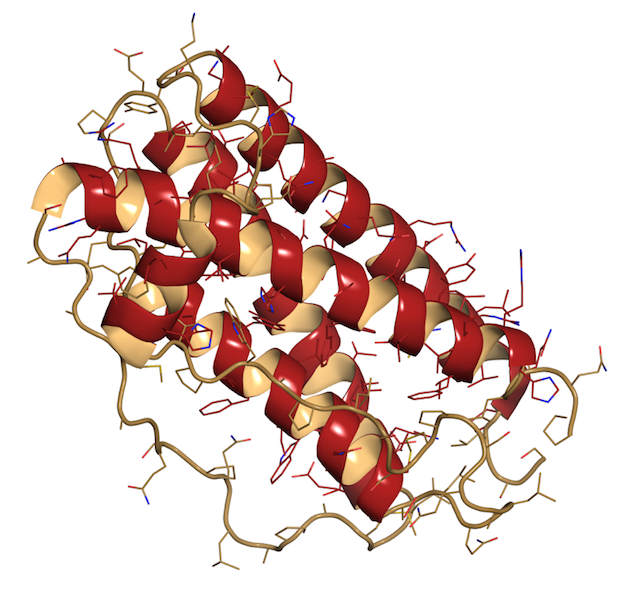
May 1st 2018Filgrastim, used to prevent febrile neutropenia (FN) in patients undergoing chemotherapy, is the first drug in the United States to have a biosimilar approved. While the biosimilar filgrastim was approved in 2015, few studies have compared the real-world incidence of FN, healthcare resource utilization, and costs among US patients using the reference product (Neupogen) and those using the approved biosimilar (Zarxio).

Anti-TNF Therapy May Reduce Risk of Parkinson Disease in Patients With IBD
April 30th 2018While systemic inflammation is a potential biological mechanism underlying both Parkinson disease (PD) and inflammatory bowel disease (IBD), clinical data on comorbid PD and IBD are few. In a new study published in JAMA Neurology, researchers report on a retrospective cohort study that assessed the incidence of PD among patients with IBD and sought to identify whether anti–tumor necrosis factor (anti-TNF) therapy for IBD alters the risk of PD.

Research Highlights Evolving Approaches to Biosimilars in the United States
April 30th 2018At the Academy of Managed Care Pharmacy’s Managed Care & Specialty Pharmacy Annual Meeting, held April 23 to 26, in Boston, Massachusetts, several research teams presented posters relevant to the US adoption of biosimilars.

Real-World Data Show Suboptimal Response to Anti-VEGF Agents in Macular Edema
April 26th 2018Retinal vein occlusion (RVO) is a prevalent, vision-threatening disease, of which macular edema is a common complication. Standard treatment for RVO-associated macular edema involves intravitreal treatment with anti–vascular endothelial growth factor (anti-VEGF) agents such as ranibizumab, bevacizumab, or aflibercept. Despite success with these agents in clinical trials, anti-VEGF agents may be administered less frequently in clinical practice than in studies.

Could Etanercept Hold Promise for Treating Spinal Cord Injuries?
April 23rd 2018After spinal cord injury, oxidative stress, inflammation, and mitochondrial dysfunction can cause neural damage that was once believed to be both immediate and irreversible. However, neuronal death is now believed to proceed over a period of several days after initial trauma, and to include cellular, molecular, and biochemical cascades, including local inflammatory responses. Tumor necrosis factor is believed to be involved in the local production of cytokines at the site of the injury.

ACR SOTA Symposium: Precision Medicine in Rheumatology
April 20th 2018At the American College of Rheumatology (ACR)’s State-of-the-Art (SOTA) Symposium, held last week in Chicago, Illinois, Judith James, MD, PhD, chair of arthritis and clinical immunology at Oklahoma Medical Research Foundation, presented a talk on precision medicine in rheumatology.

ACR SOTA Symposium: Update on RA Treatment
April 19th 2018Rheumatologists gathered from across the country last week to discuss the latest approaches in the treatment of rheumatoid arthritis (RA) and other inflammatory diseases at the American College of Rheumatology’s (ACR) 2018 State-of-the-Art (SOTA) Clinical Symposium held in Chicago, Illinois.

Patient Support Programs Associated With Greater Likelihood of Controlled AS
April 17th 2018Canadian patients who receive brand-name adalimumab (Humira) to treat ankylosing spondylitis (AS) are eligible for a patient support program, provided by drug maker AbbVie, that includes personalized services such as coaching phone calls before and after initiating treatment.

Oncologist Sees Biosimilars Playing a Role in the Oncology Care Model
April 12th 2018Kashyap Patel, MD, CEO of Carolina Blood and Cancer Care, told The Center for Biosimilars® in an interview that, as his practice has begun to implement the Oncology Care Model, it has moved 100% of its patients to biosimilar filgrastim, Zarxio, from the reference filgrastim, Neupogen.

Upadacitinib Superior to Adalimumab in Phase 3 Trial in RA
April 11th 2018AbbVie reports that the trial of 15 mg of orally-administered, once-daily upadacitinib met its primary endpoints, with 71% of patients achieving 20% improvement based on American College of Rheumatology criteria (ACR20), and 29% achieving clinical remission.


Study Suggests That Two AEs May Predict Improved Outcomes With Bevacizumab
April 9th 2018A recent study concludes that both hypertension and proteinuria, which are considered to be interrelated with the pharmacological action of bevacizumab, have the potential to indicate greater likelihood of therapeutic efficacy.

Study: No Difference in MI Prevalence Among Patients Receiving Intravitreal Bevacizumab
April 4th 2018Data suggest that intravitreal bevacizumab increases the risk of thromboembolism, and some studies have raised the possibility of a link between bevacizumab and myocardial infarction (MI), while other studies did not find such a relationship.

NHS Prepares for October 2018 Arrival of Biosimilar Adalimumab
April 4th 2018In a briefing to regional committees, the United Kingdom's National Health Service (NHS) urged commissioners to begin planning to use the best-value adalimumab option beginning in October 2018, when Amgen’s EU-authorized biosimilar, Amgevita, becomes available.

Long-Term Adalimumab Provides Sustained Benefits in Axial Spondyloarthritis
April 3rd 2018A recent study provides the final long-term efficacy and safety results from the phase 3 ABILITY-1 trial’s open-label extension in patients with nonradiographic axial spondyloarthritis, which show that the anti–tumor necrosis factor agent adalimumab (Humira) provided sustained clinical and functional improvements through 3 years.

Anti-VEGF Drugs Not Associated With Increased Risk of AEs in Eye Diseases
March 28th 2018Last week, an overview of systematic reviews and meta-analyses investigating systemic adverse events associated with intravitreal anti-vascular endothelial growth factor (anti-VEGF) treatments was published in JAMA Ophthalmology.
Rituximab Induction Is Cost Effective for Asymptomatic Advanced Follicular Lymphoma
March 23rd 2018Rituximab induction therapy has the highest probability of cost effectiveness in treating newly diagnosed patients with asymptomatic advanced follicular lymphoma, according to a study published in the British Journal of Haematology.

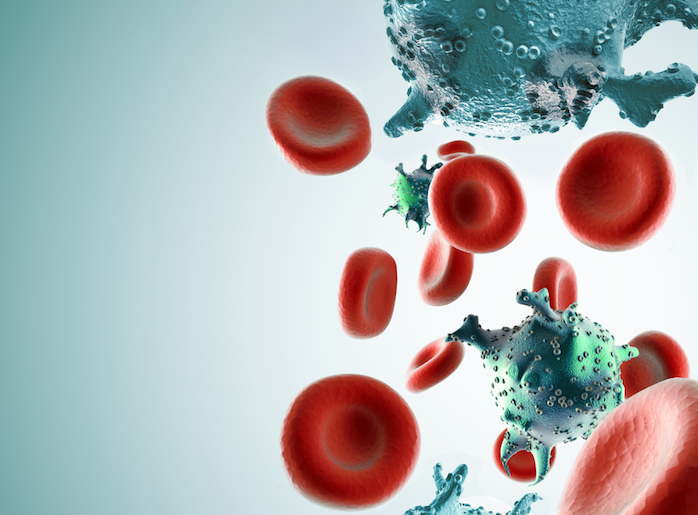
Adalimumab Could Help Treat Corticosteroid- and Infliximab-Resistant IRIS
March 21st 2018Although corticosteroids are a mainstay of treatment for immune reconstitution inflammatory syndrome (IRIS), some patients with HIV are refractory to corticosteroid therapy. Infliximab may be useful in treating IRIS, but little is known about patients who are also refractory to infliximab therapy.

Study Finds Higher Rates of Discontinuation Due to Remission Among Infliximab Users With RA
March 19th 2018A multi-center retrospective study of Japanese patients, newly published in PLOS One, sought to describe treatment persistence and reasons for discontinuation among patients who were treating their rheumatoid arthritis with 1 of 7 biologic agents: adalimumab, etanercept, infliximab, golimumab, certolizumab pegol, tocilizumab, and abatacept.

