

Practice
Latest News


August 28th 2026
A study found no direct trial evidence for natalizumab or its biosimilar in MS and found limited cost-effectiveness vs most alternatives.





More News

Study: Rituximab Effective and Well Tolerated in Treating Nephrotic Syndrome
February 12th 2018Some case reports have suggested that rituximab can effectively treat nephrotic syndrome, and a recent study sought to assess the safety and effectiveness of rituximab in treating patients who have steroid- and cyclosporine-resistant pediatric nephrotic syndrome.
Novartis Gains Label Expansion for Secukinumab
February 10th 2018Novartis announced on Thursday that the FDA has approved a label update for secukinumab (Cosentyx) to include moderate to severe scalp psoriasis, a particularly challenging form of psoriasis to treat, and a condition that affects approximately half of patients with psoriasis.

Early Adalimumab Leads to Better Outcomes for Patients With Psoriatic Arthritis
February 9th 2018In late 2017, a study was published in Acta Reumatologica Portuguesa evaluating the effect adalimumab (Humira), an anti–tumor necrosis factor therapy in the treatment of patients with both short- and long-term psoriatic arthritis (PsA) disease duration.

ACR Backs Biosimilars in New White Paper
February 8th 2018The American College of Rheumatology (ACR)'s previous position on biosimilars was one of caution during the initial development, evaluation, and approval of these drugs, but, writes the organization, “Now that biosimilars have been used successfully in Europe, with rigorously acquired data supporting their broader use, and as the [United States] is on the verge of a similar transition, the ACR is poised to reconsider its position.”

Personalized Anti-VEGF Regimens Improve Adherence Among Patients With Macular Degeneration
February 7th 2018Managed care professionals can assist ophthalmologists and retina specialists in personalizing anti-vascular endothelial growth factor (anti-VEGF) treatment to encourage patient adherence, according to a recent review of the literature on this topic.

Infliximab Holds Promise in Treating Kawasaki Disease
February 6th 2018Because serum tumor necrosis factor (TNF) is high in patients with Kawasaki disease (KD), infliximab, an anti-TNF agent, has been proposed as a potential treatment for refractory KD, but few randomized trials have been conducted to demonstrate the efficacy and safety of using infliximab in this setting.


Physician Panel Explores Dose Reduction in Biologic Therapies
January 30th 2018During the American College of Rheumatology's (ACR) Winter Rheumatology Symposium last week in Snowmass, Colorado, one of the sessions comprised a panel addressing treatment options for inflammatory arthritis. One case study the panel addressed the pros and cons of dose reduction versus an increase in dosing interval of a biologic for a patient with rheumatoid arthritis (RA) who has achieved low disease activity or remission.
Do Inadequate Storage Practices Play a Role in Loss of Response to Subcutaneous Biologic Agents?
January 29th 2018A recent study, set in the Netherlands, sought to assess patients’ attitudes about redistributing unused, subcutaneously administered biologic drugs, which could allow potential cost savings for the health system. However, the study unexpectedly found alarming storage inconsistencies and patient nonadherence to storage guidelines for these drugs.

Real-World Data Support the Noninferiority of Biosimilar Filgrastim in Preventing FN
January 26th 2018Zarxio, a biosimilar filgrastim approved in the United States in 2015, was demonstrated to have no clinically meaningful differences from its reference in a randomized clinical trial setting, but data on its effectiveness in preventing febrile neutropenia (FN) a real-world setting have been limited thus far.

Treating Crohn Disease With Anti-TNF Drugs Reduces Mortality Rates
January 25th 2018Although some studies have demonstrated an increased risk of death in patients with inflammatory bowel disease taking corticosteroids, the relationship between death and anti–tumor necrosis factor (anti-TNF) drugs has not been as clear.

ACR Symposium Highlights Approaches to Using Biologics, Biosimilars in RA
January 25th 2018At the American College of Rheumatology (ACR)'s Winter Rheumatology Symposium, held this week in Snowmass Village, Colorado, rheumatologists from across the country gathered to discuss the latest approaches to treating rheumatoid arthritis (RA).

Trastuzumab Plus Chemotherapy Remains the Preferred Option in Treating HER2-Positive EBC
January 24th 2018In an observational study conducted in Germany that began after the marketing authorization was received for reference trastuzumab in early breast cancer (EBC), researchers were able to analyze outcomes for patients treated with trastuzumab both with and without cytotoxic treatment.
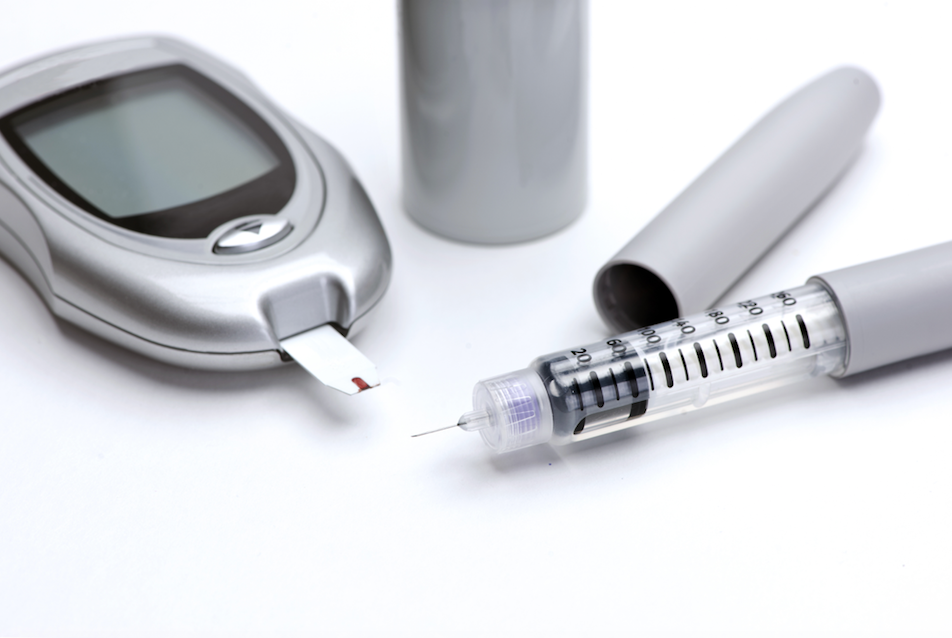
Similar Safety, Efficacy, Immunogenicity Shown for Admelog and Reference Humalog
January 23rd 2018SAR342434, or Admelog, a follow-on of insulin lispro (Humalog), showed similar efficacy, safety, and immunogenicity to its reference in patients with type 2 diabetes who also used insulin glargine (Lantus) as basal insulin, according to the results of the SORELLA-2 study, published in the January 2018 issue of Diabetes Technology & Therapeutics.

Physician Survey Reveals "Disconnect" Between Expectations, Feasibility in Bioequivalence Studies
January 22nd 2018Some data that physicians would like to see demonstrated in bioequivalence studies may not be feasible in clinical trials due to the number of patients who would have to be enrolled in the studies.

Study of RA Remission Predictors Supports Treat-to-Target Approach to Combination Etanercept Therapy
January 22nd 2018Targeting sustained and stringently defined clinical remission in patients with moderately active rheumatoid arthritis (RA) receiving full-dose combination therapy with etanercept plus methotrexate before considering dose or regimen changes may help improve the likelihood that patients will remain in clinical remission 1 year after the changes are made.

Can Anti-TNF Therapies Treat Insulin Resistance and Type 2 Diabetes?
January 19th 2018Antagonism of tumor necrosis factor-alpha (TNF-alpha) may be a good treatment strategy to counter the deleterious effects of TNF-alpha on the development of insulin resistance and the pathogenesis of type 2 diabetes.

Concentration-Based Tapering of Adalimumab Could Reduce Cost in Treating RA
January 19th 2018An editorial, recently published in Annals of the Rheumatic Diseases, discussed the results of a study that found that an adalimumab (Humira) concentration-based tapering strategy was not inferior to the conservative strategy, conducted over 26 weeks.

Review Argues That Same Safety, Efficacy Can Be Expected From Biologics, Biosimilars
January 18th 2018In an expert review, the authors provide transparency about biosimilar production, approvals, risk, and benefits to help improve confidence that the same safety and efficacy can be expected from biologics and their biosimilars.

Study: Using Biologics Early in Patients With Pediatric Crohn Disease Improves Linear Growth
January 17th 2018A newly published retrospective study found that patients who received a combination therapy with infliximab and azathioprine early on had significantly increased linear growth compared to patients whose therapy was stepped up.

Very Low-Dose Rituximab May Be Effective, Could Save Costs in Treating Non-Malignant Diseases
January 15th 2018Rituximab is approved for use in hematological malignancies and in rheumatoid arthritis (RA), but is also used off-label in the treatment of antibody-dependent auto-immunological diseases. In off-label indications, alternative dosing schedules are sometimes used, though no dose-finding trials are available to help guide dosing in such diseases.

Switching to Biologics With Different Mechanisms of Action Reduces Cost in Patients With RA
January 13th 2018Patients with rheumatoid arthritis (RA) who require a change in therapy from anti–tumor necrosis factor inhibitor (anti-TNF) treatments to biologics with a different mechanism of action (MOA) had higher treatment persistence and lower healthcare costs than patients who cycled anti-TNF drugs, resulting in lower healthcare costs per persistent patient among the MOA switchers, a recent study finds.


Rituximab in Multiple Sclerosis: Better Efficacy, Lower Discontinuation Rates Than Other Treatments
January 11th 2018Rituximab (Rituxan) is more effective and has lower rates of discontinuation than other disease-modifying treatments in newly diagnosed patients with relapsing-remitting multiple sclerosis, according to a Swedish study published online in the January 8, 2018, issue of JAMA Neurology.
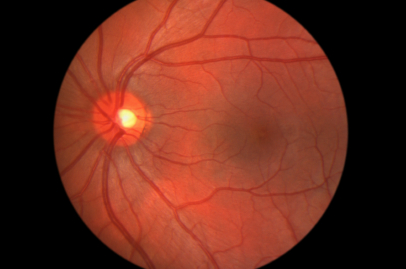
Intravitreal Bevacizumab Revolutionizing Treatment of Diabetic Retinopathy
January 9th 2018Intravitreal injection of bevacizumab (Avastin) has revolutionized the treatment of diabetic eye disease, and has emerged as an important treatment modality, either as primary or adjuvant therapy for diabetic macular edema and proliferative diabetic retinopathy.

Policy Differences Among European Nations Affect Biosimilar Uptake
January 5th 2018While the European experience with biosimilars is one of significant uptake of biosimilars, individual European nations have had distinctly different levels of uptake. These differences are largely due to local variation in pricing and reimbursement, education levels, population characteristics, and stakeholder incentives.

