

News

Tax Reform Bill Largely a Plus for Big Pharma
December 20th 2017The tax reform bill proposed by Republicans and passed by the House this week contains benefits for many in the pharmaceutical industry. The reduction in the corporate tax rate from 35% to 21% will benefit all cash-flow-positive businesses, and the new, lower 15.5% rate for repatriating cash held overseas is likely to result in large companies becoming flush with cash, allowing them to buy back stock, increase shareholder returns, and fuel a wave of merger and acquisition (M&A) activity.

Fresenius Kabi Submits Adalimumab Biosimilar Marketing Application to EMA
December 19th 2017Fresenius Kabi, a subsidiary of the German-based Fresenius SE and Co. KFaA, announced yesterday that its Marketing Authorization Application for MSB11022, an adalimumab (Humira) biosimilar candidate, was submitted and accepted for review by the European Medicines Agency (EMA).
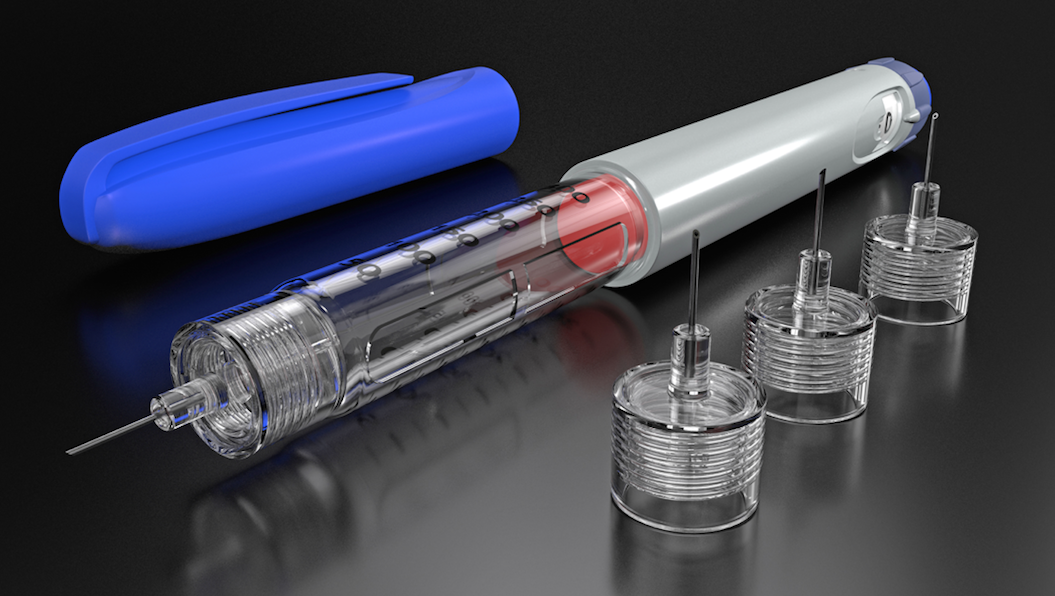
Mylan Announces IPR Proceedings Against Sanofi's Lantus Patents
December 19th 2017Mylan has announced that the US Patent Trial and Appeal Board (PTAB) has instituted inter partes review (IPR) proceedings on all claims against 2 patents that cover Sanofi’s innovator insulin glargine injection, Lantus.

The Journey of Biosimilar Epoetin Alfa Serves as Example of Approval Pathway Integrity
December 18th 2017Frank Dellanna, MD, and colleagues reviewed the journey of HX575 from development to approval in Europe, and describe a decade of clinical experience in patients with CKD, as the history and experience with this biosimilar provides an excellent example of a successful demonstration of biosimilarity.
Celltrion's Trastuzumab Biosimilar Gains Positive CHMP Opinion
December 18th 2017Republic of Korea-based biosimilar developer Celltrion announced on December 16 that it has received a positive opinion from the European Medicines Agency’s Committee for Medicinal Products for Human Use (CHMP) for its trastuzumab biosimilar, referenced on Roche’s blockbuster anticancer therapy, Herceptin. The positive opinion will now be referred to the European Commission for final review.

Adalimumab Effective in Treating Stricturing Crohn Disease
December 18th 2017While anti–tumor necrosis factor (anti-TNF) therapies are effective in helping patients with Crohn disease (CD) gain remission, data on using anti-TNFs in patients with stricturing CD are conflicting; some reports suggest that anti-TNF agents increase the risk of intestinal obstruction.

Eye on Pharma: Teva to Cut 14,000 Jobs in Major Restructuring Move
December 16th 2017Teva Pharmaceutical Industries, the world’s largest generic drug maker, based in Israel, unveiled its restructuring plan yesterday, which comes with big cuts to its research and development (R&D) department and staff.


5 Pharma Companies Cited by Industry Group For Practice Code Violations
December 15th 2017Recently, the Prescription Medicines Code of Practice Authority announced in a press release that 5 pharmaceutical companies have breached the Association of the British Pharmaceutical Industry’s Code of Practice.
FDA Releases Draft Guidance on Refuse-to-File Action
December 15th 2017The FDA has released new draft guidance for industry on refuse-to-file (RTF) action taken by the FDA. The document seeks to clarify circumstances under which the FDA’s Center for Drug Evaluation and Research (CDER) may refuse to file a new drug application (NDA), supplemental NDA, or a Biologics License Application (BLA), or supplemental BLA for a product regulated by CDER.

Shift in Site of Care for Oncology Has Affected the Marketplace for Oncology Drugs
December 15th 2017Hospitals classified as 340B institutions are playing an increasingly large role in oncology care, and the rapid growth in the federal 340B program has resulted in big changes in the oncology drug marketplace, according to a recent white paper released by the Community Oncology Alliance.

Federal Circuit Sides With Biosimilar Developer Sandoz in Landmark Decision
December 14th 2017The federal circuit ruled today in Amgen v Sandoz that state law cannot compel drug makers to participate in the so-called “patent dance” provided for in the Biologics Price Competition and Innovation Act because state law cannot preempt federal law.

Study: Starting Dose, Cumulative Dose Do Not Predict Rituximab Adherence in RA
December 14th 2017A recently published study explored the impact of 2 different initial doses and a cumulative 2-year dose of rituximab on drug adherence and predictors of adherence to treatment in patients with RA in an observational clinical setting.

Measuring Antibodies to Infliximab To Guide Treatment Intensification in Crohn Disease
December 14th 2017A significant proportion of patients with Crohn disease (CD) who initially respond to infliximab therapy experience secondary loss of response with symptom flares. Treatment intensification (using increases in dose, dose frequency, or a combination of both to implement intensification) is a suggested strategy for regaining response.

Congressional Testimony Calls for Action on Biosimilars
December 14th 2017On December 13, the House of Representatives Committee on Energy and Commerce’s Subcommittee on Health heard testimony from a variety of healthcare stakeholders in a hearing titled “Examining the Drug Supply Chain.” During the proceeding, a follow-up to a hearing on implementation of the 21st Century Cures Act, several witnesses focused their attention on the promise of—and challenges specific to—biosimilars in the US marketplace.

Biosimilar Developers Eye Palivizumab Market
December 13th 2017Palivizumab (Synagis) is a monoclonal antibody that is used to help prevent respiratory syncytial virus (RSV). RSV is a common virus that can cause serious lung infections in infants who are at high risk, including premature infants or those who have certain heart and lung diseases.
Roche May Defend Rituximab, Bevacizumab Sales With New Drug Combinations
December 13th 2017Roche has announced positive data on 2 of its innovator oncology biologics in combination with other therapies. The combinations using rituximab (MabThera, Rituxan) and bevacizumab (Avastin) could help the Swiss drug maker to protect sales of these monoclonal antibodies in the face of oncoming biosimilar competition.


PhRMA Sues California Over State's New Drug Pricing Law
December 12th 2017The pharmaceutical industry trade and lobbying group Pharmaceutical Research and Manufacturers of America (PhRMA) sued California state officials in federal court on December 8, 2017, over California’s new drug pricing law, which the group states is “unprecedented and unconstitutional.”
FDA Grants Final Approval to First Short-Acting Follow-on Insulin, Admelog
December 12th 2017The FDA has granted final approval to the first short-acting follow-on insulin product, Sanofi’s Admelog (insulin lispro injection). Admelog is indicated to improve insulin control in blood sugar levels in adults and children aged 3 years and older who have type 1 diabetes and in adults who have type 2 diabetes.

Eye on Pharma: Celltrion Could Receive EMA Verdict on Trastuzumab in Early 2018
December 11th 2017Republic of Korea-based biopharma company Celltrion is looking to accelerate its momentum in Europe; analysts belive that the company could receive the European Medicines Agency’s (EMA) approval to market its biosimilar of Roche’s blockbuster cancer treatment, Herceptin (trastuzumab), by March 2018.
FDA Hosts Webinar on Biosimilar Approval Process, Looks Ahead to Interchangeability
December 9th 2017This week, Leah Christl, PhD, associate director for therapeutic biologics, Center for Drug Evaluation and Research (CDER), FDA, and Sue Lim, MD, medical officer at the FDA’s Office of New Drugs, held a webinar to discuss the regulatory framework for biosimilars as well as the development and approval process for these drugs.

